Tag: Nova Scotia

  • Chasing Legends & Lighthouses

    Chasing Legends & Lighthouses

    Flashback to an evening at my parents’ cabin. 

    We’re momentarily back at Lac Belanger. It’s the kind of evening when dinner stretches lazily into stories and laughter, and glasses of wine somehow refill themselves. 

    Somewhere between bites and banter, Dad suddenly says, “Hey! They started doing tours of Oak Island again this year.” There’s a spark in his eye. I pull out my phone, and within seconds, we realize the island is barely an hour from our planned campground in Pictou Nova Scotia. Cue the excitement. A quick check online shows that tickets are just $99 Canadian. Which, for my American friends, is basically free when you factor in the exchange rate.

    My Dad and I have been watching The Curse of Oak Island for years. It’s that long-running show where two brothers and a team of hopeful treasure hunters dig up a small island off the coast of Nova Scotia in search of legendary riches, and somehow manage to find everything except the treasure. I’ll admit, I mostly watch it for my Dad, but at this point, I’m too invested to quit. If they finally unearth the mystery and I’m not watching, all those years of emotional commitment will have been for nothing.

    We exchange mischievous smiles around the table.
    “We’ve never visited the Maritimes,” Mom says thoughtfully.
    “We’ve been talking about touring the island for years,” I add.
    And from across the table, Chris chimes in, “We’ve got an extra bed in the camper.”

    And just like that, the group chat Nova Scotia Losers is born. Four tour tickets later, our fate is sealed.

    Naturally, that’s when the chaos begins. My parents nearly get scammed while trying to buy their flights (they insist that everything was under control the entire time, but I believe it to be a close call either way). The travel dates don’t match on any of the reputable websites. And, as it turns out, there are two Oak Islands in Nova Scotia — and the one near Pictou isn’t the right one. Which means a hasty change of plans and a couple of extra nights booked in Halifax. Because what’s a family adventure without a few wrong turns before it even begins?

    The Great Oak Island Expedition

    Two weeks after that fateful evening at my parents’ cabin, when we booked our Oak Island tour, we fast forward to our time in Nova Scotia. Chris and I have been exploring the province since August 10th, and it’s now August 16th the day after my parents land in Halifax, ready for our treasure hunt.

    At the earliest hour of the morning, Chris and I set off to meet them in Halifax. We start our day together with a hearty breakfast, stretch our legs with a short walk around Citadel Hill of Fort George. Then, we hit the road toward the legendary Oak Island. The correct one.

    Crossing the rocky causeway onto this storied patch of land, the place that has kept us holding our breath for years, feels almost surreal. Before boarding the little car train, we scope out which seats will offer the best view. Dad arrives fully armed for the occasion: a GoPro, a professional-grade camera, his cellphone, and not one but two pairs of glasses (because, in his words, bifocals are so last year). We squeeze in, cameras ready, anticipation buzzing.
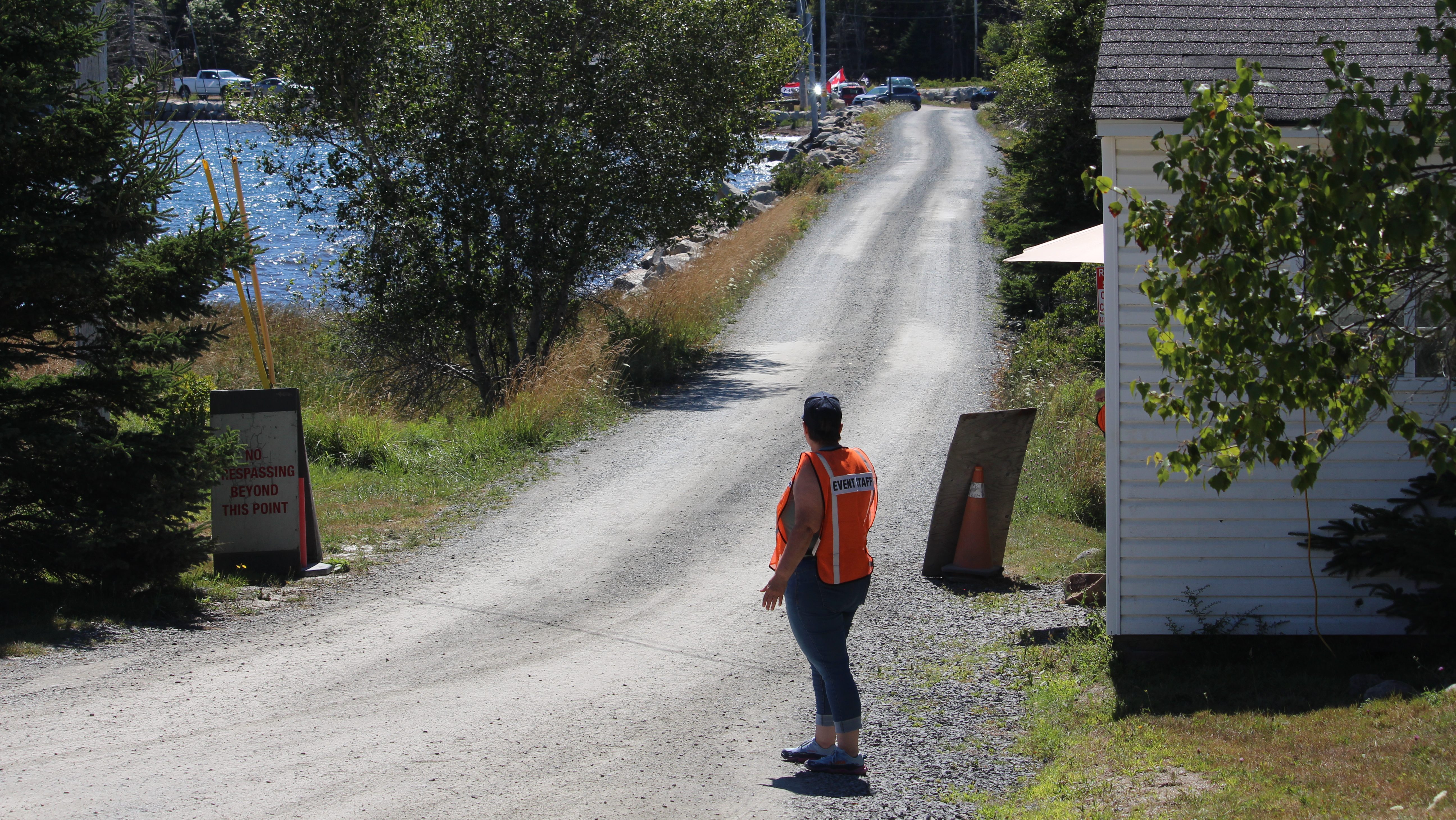
    We roll past the production studio right beside the War Room, the famous hub of whispered theories and dramatic revelations. As our guide explains, this is where the show’s cast often recreates their reactions: Gasps, head turns, nods and all. So, yes, the drama is at least partially staged, but we choose to suspend disbelief.

    Our narrator for the day is none other than Charles Barkhouse, the Oak Island historian who appears on the show. Sitting a few feet from him feels a little like meeting royalty—if royalty also knew an impressive amount about 18th-century digging techniques
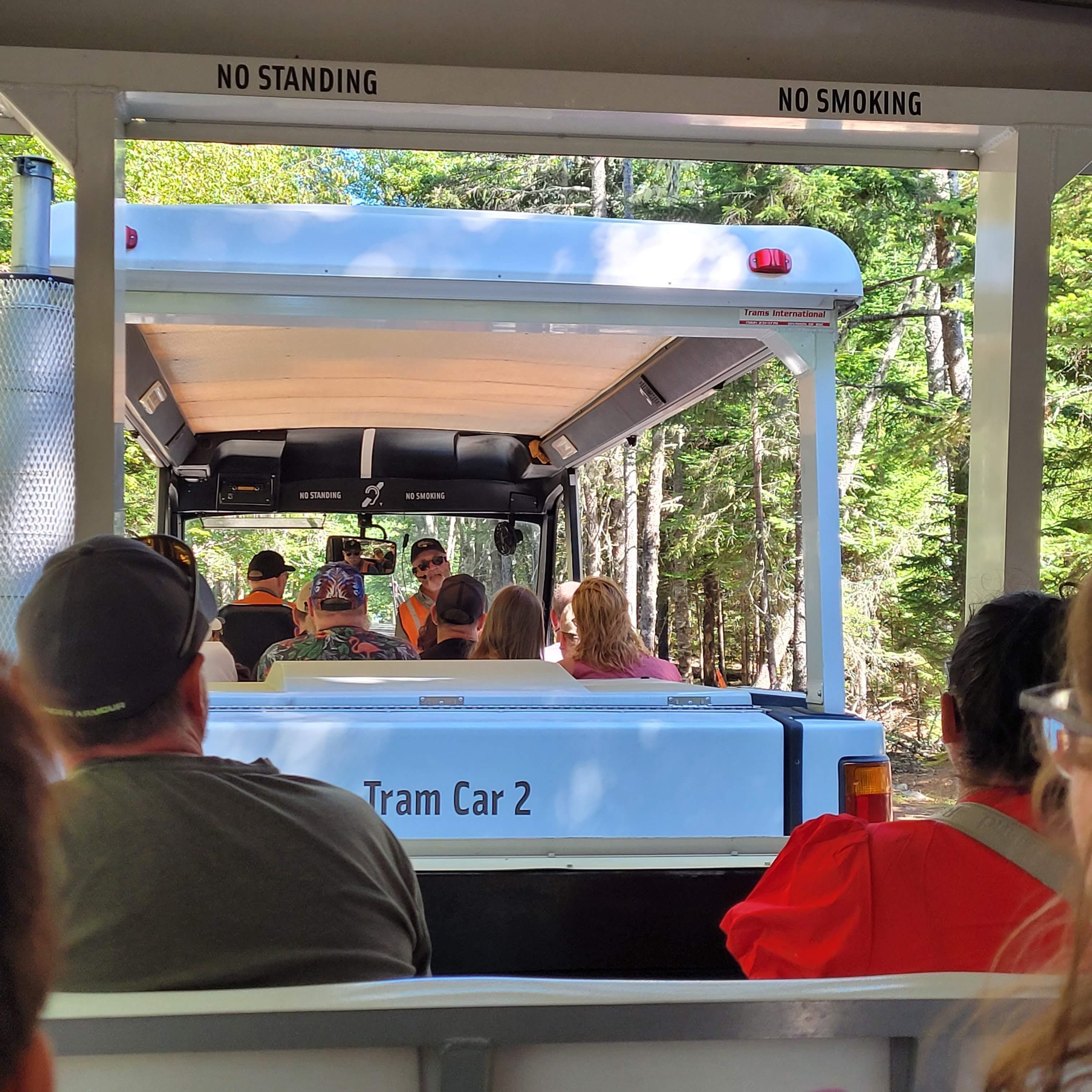
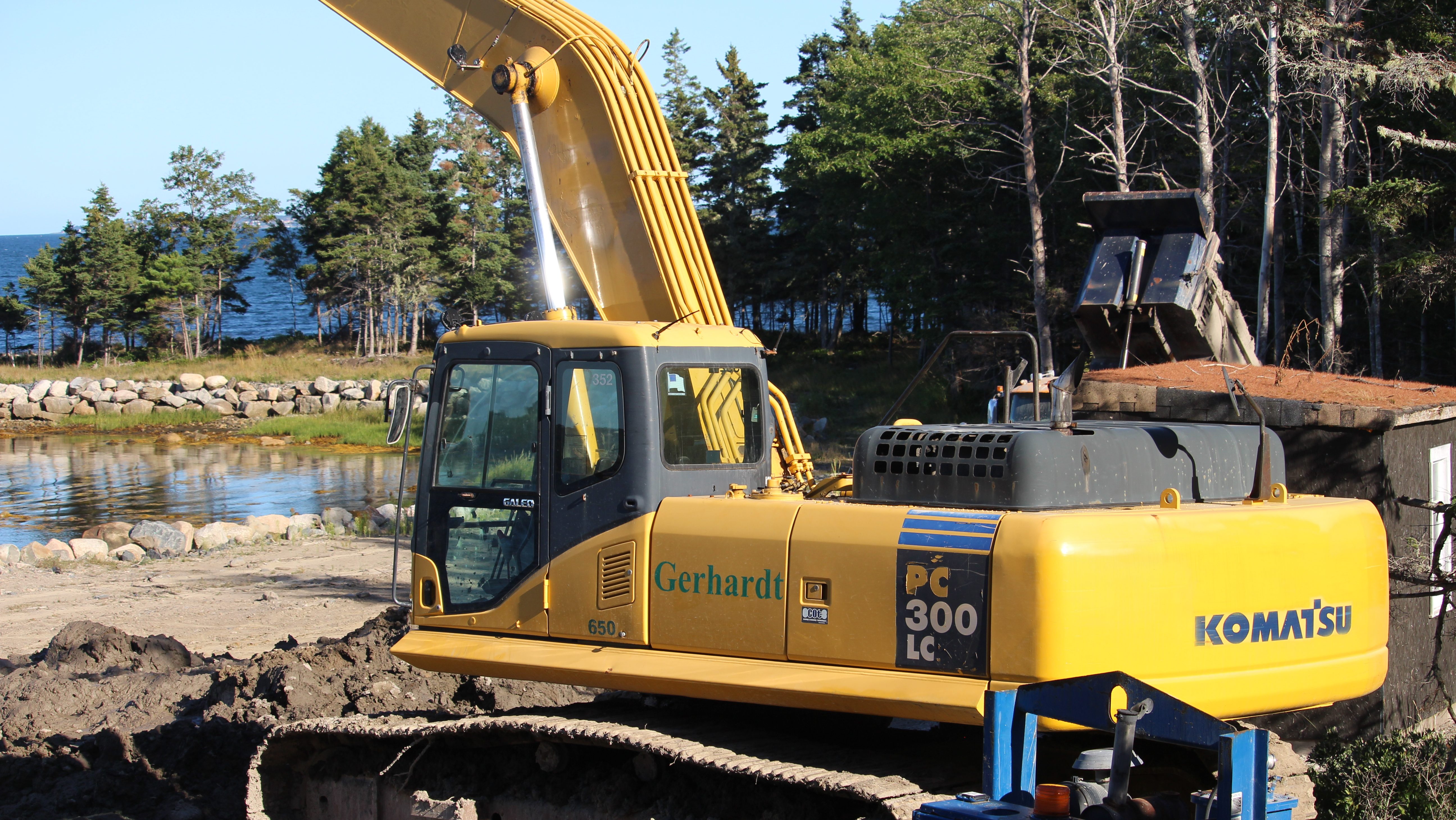
    For the next three hours (yes, three full hours), we trundle around the island’s many excavation sites while Charles fills our heads with legends, facts, and wild theories. I had low expectations for how much we’d actually learn, but by the end, it’s safe to say we’d gained more insight than from several seasons of television viewing. And no annoying repetitive voiceover narration in sight.
    No Oak Island experience would’ve been complete without following in the crew’s footsteps to the Mug & Anchor Pub in nearby Mahone Bay, the place they sometimes film their “post-discovery” scenes. The heat of the summer drought has finally softened into a golden evening, and we grab a patio table overlooking the calm bay. A pitcher of beer appears, and we soon discover that Chris is decidedly not a fan of bitter IPA brews. The only logical solution? Finish this one and order another kind.

    A fun fact Dad shares with us: Back in the day, people used to add a pinch of salt to their beer to cut the bitterness. I get a little too excited and the generous pinch of salt spills completely in my glass. Turns out you can over salt anything.

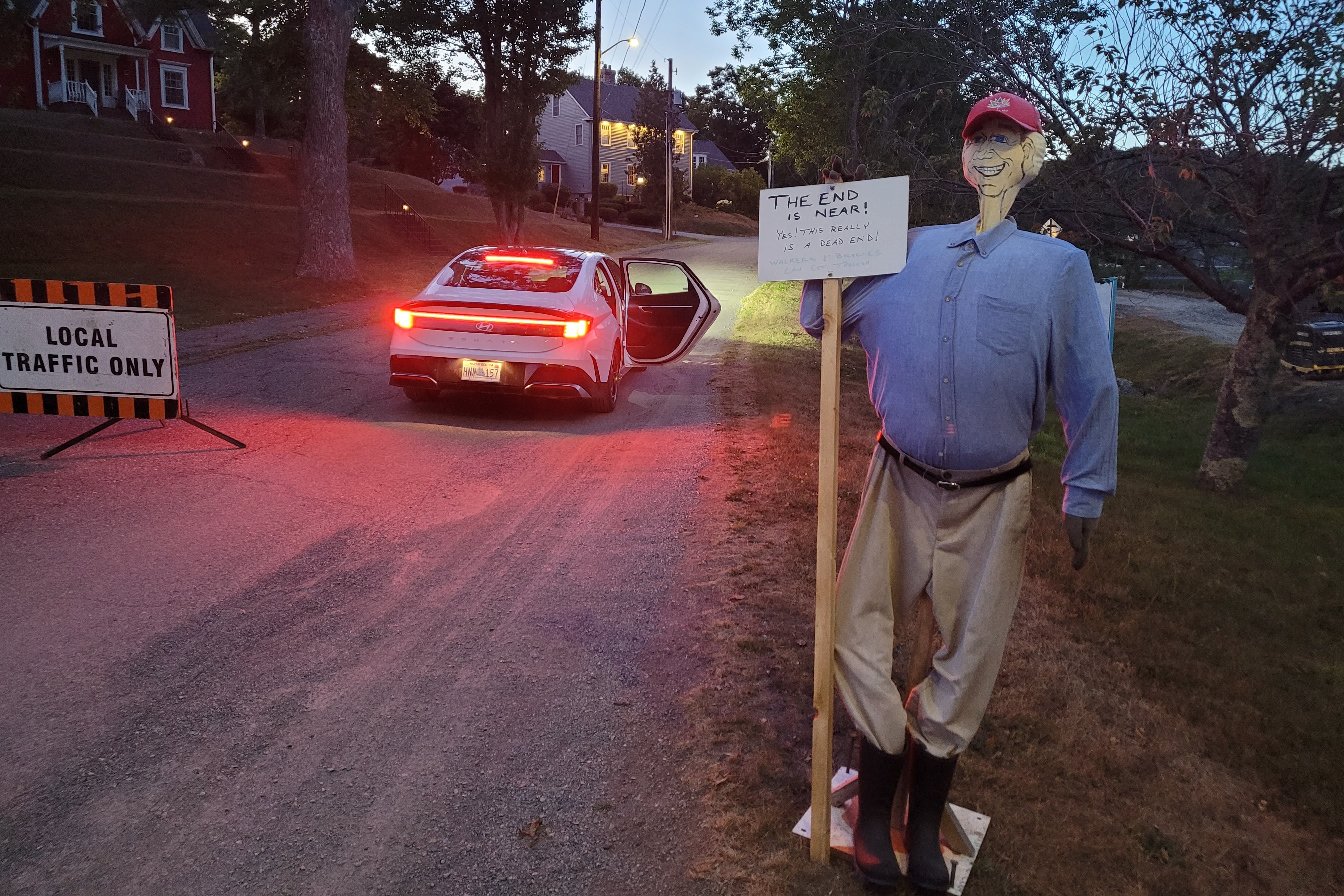
    The night hums with the sound of a local band, laughter, and just enough beer to give everything a pleasant blur. When we finally pile back into the car (and I’ll admit I helped Chris finish his share), we hit a road construction detour that sends us winding through the backstreets instead of on Main Street.

    That’s when we spot a dummy dressed as a man, holding a sign. I laugh and yell, “Stop the car!” I jump out to read it. The sign says: The end is near. There is a dead end. We burst out laughing. “How close can it be?” I ask. The answer, dear reader, is very close. Dead end, literal.
    After a clumsy U-turn in the dark, we make our way back to Halifax, where our truck had been waiting near my parents’ hotel.

    Rather than dropping a small fortune on a last-minute downtown room, we find a nearby campground and set up the tent. Having packed the truck instead of the motorcycle feels like an upgrade in itself—we’d traded panniers for space, which meant the rare luxury of full-sized pillows. The sleeping pads still had us tossing and turning, but at least our heads rested in comfort.

    Chasing Legends and Lighthouses

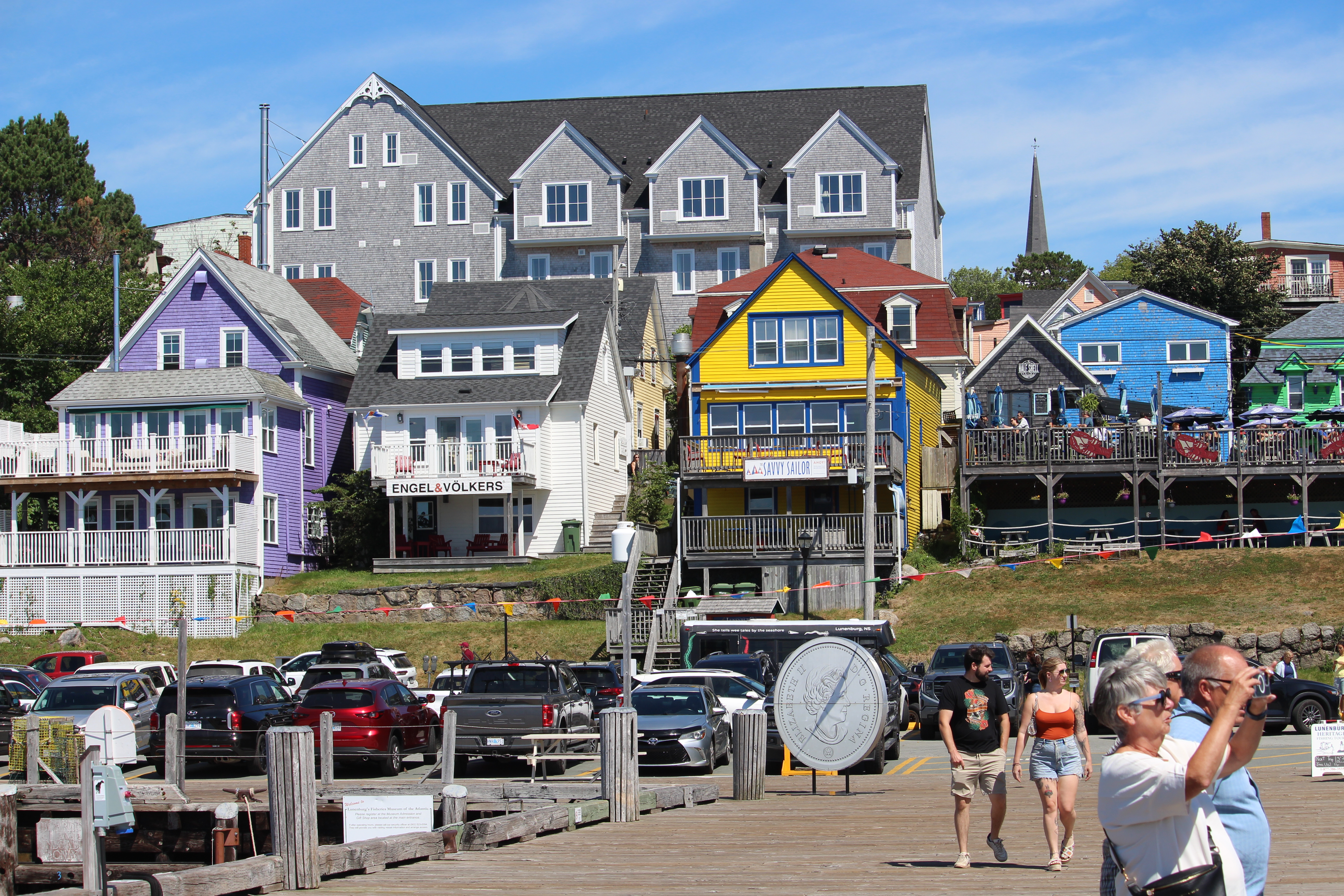
    The next morning, we meet my parents and set out toward Lunenburg, a postcard-perfect coastal town famous for its bright, candy-colored houses and salty sea air. It proudly boasts the home of Canada’s most recognizable sailing icon: The Bluenose II, the elegant schooner immortalized on the Canadian dime.

    We wander down toward the docks, eyes scanning the marina. Sleek white masts sway gently against the sky, the water glimmers with reflections of hulls and gulls, but the Bluenose II is nowhere to be found.

    “Huh,” we wonder aloud. “Maybe it’s out for a little sail?”

    A quick check of the website reveals the punchline: According to its busy summer schedule, the famous ship is docked today… in Pictou. At the very same Heritage Quay Center just steps from our campground. Of course it is. We drove all the way here, only for the boat to be waiting right where we came from. Just our luck.

    Still, Lunenburg is far too charming to let irony ruin the day. We stroll through the Fisheries Museum of the Atlantic, peek into boutique shops tucked into color-splashed historic buildings, and weave through narrow streets that feel frozen in time.
    Eventually hunger starts to call, so we settle on The Old Fish Factory Restaurant, conveniently perched along the waterfront. An Acadian band plays under a nearby marquee, the kind of lilting fiddle music that pairs perfectly with sea breezes and cold drinks. Without much discussion, we each order a beer—no pitcher this time, so Chris can choose something lighter, and we decide to split two lobster rolls among the four of us. Just a small bite to keep us going until dinner.

    Everything is idyllic until the bill arrives. My Dad pays with his usual flourish, no questions asked. As we leave, he leans over with that unmistakable grin and says, “I guess we didn’t look too hard at the prices on that menu.”

    “What do you mean?” I whisper, already suspicious.

    Turns out those “light snack” lobster rolls were listed at market price that day. Thirty-two dollars each. Each! We laugh in disbelief. Delicious, yes, but possibly the most expensive few inches of sandwich any of us have ever eaten.

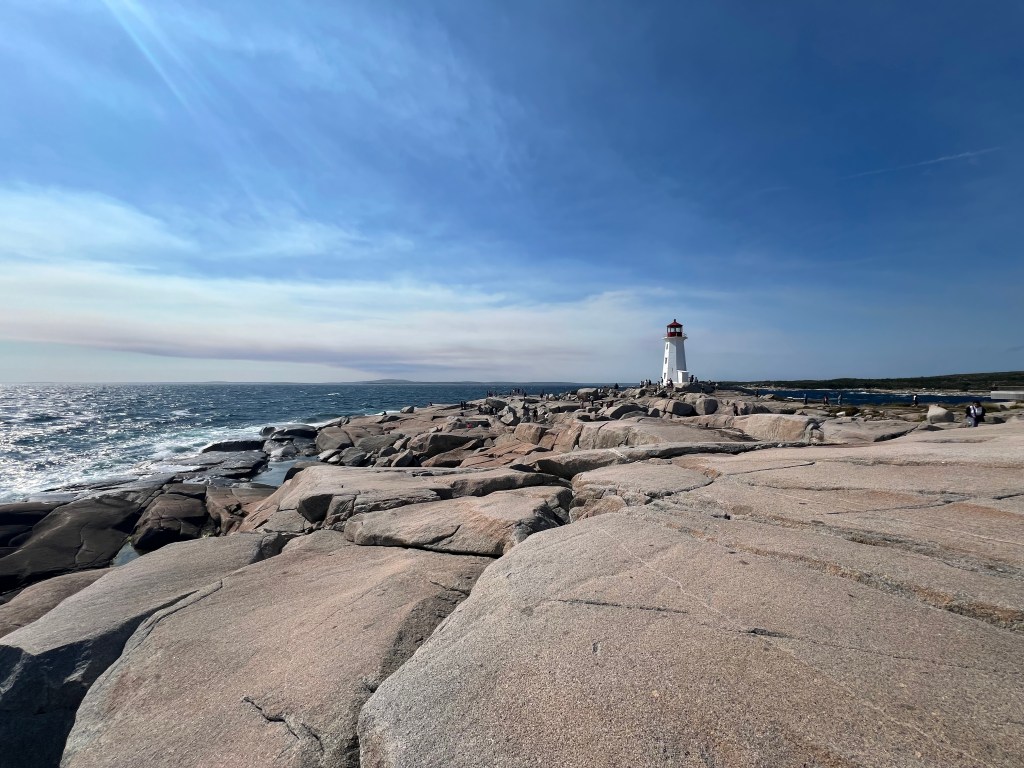
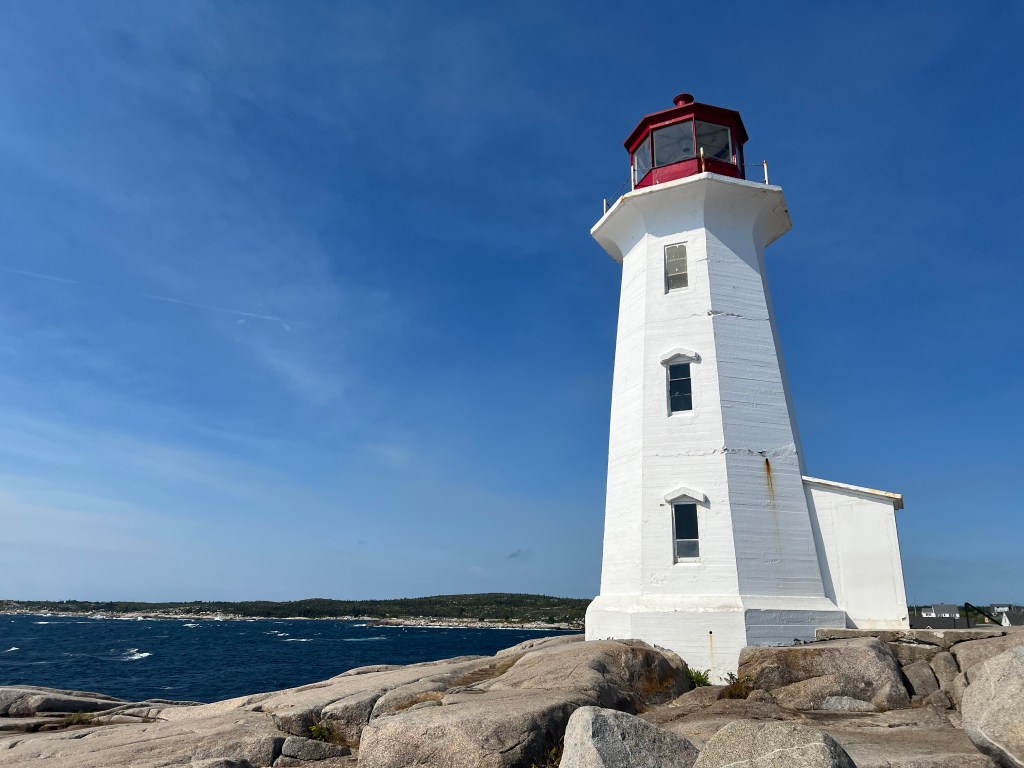
    We shake it off with a collective chuckle and pile back into my parents’ rented car, bound for our next stop: Peggy’s Cove, home to the most photographed lighthouse in North America.

    I always hear those superlatives—the most this, the best that—and hold onto a secret hope that maybe, just maybe, we’ll luck out and have the place to ourselves. No such luck today. But as we crest the hill and the lighthouse comes into view, it’s immediately clear why it draws such a crowd.

    The landscape is nothing short of dramatic. Smooth granite boulders stretch out toward the ocean, worn to silk by centuries of wind and saltwater. The cracks and ridges in the stone remind me of aging skin—lines that tell a story of resilience and time. There’s beauty in those imperfections.

    The lighthouse itself stands tall and steadfast, a stoic witness to decades of storms and selfie sticks. But the real magic extends beyond it. The surrounding village feels like a scene preserved in amber—weathered cedar facades, grey shingled roofs, lobster traps stacked high in the tall grass. The muted palette of driftwood, rust, and seaweed green could be mistaken for a quiet Scandinavian hamlet.
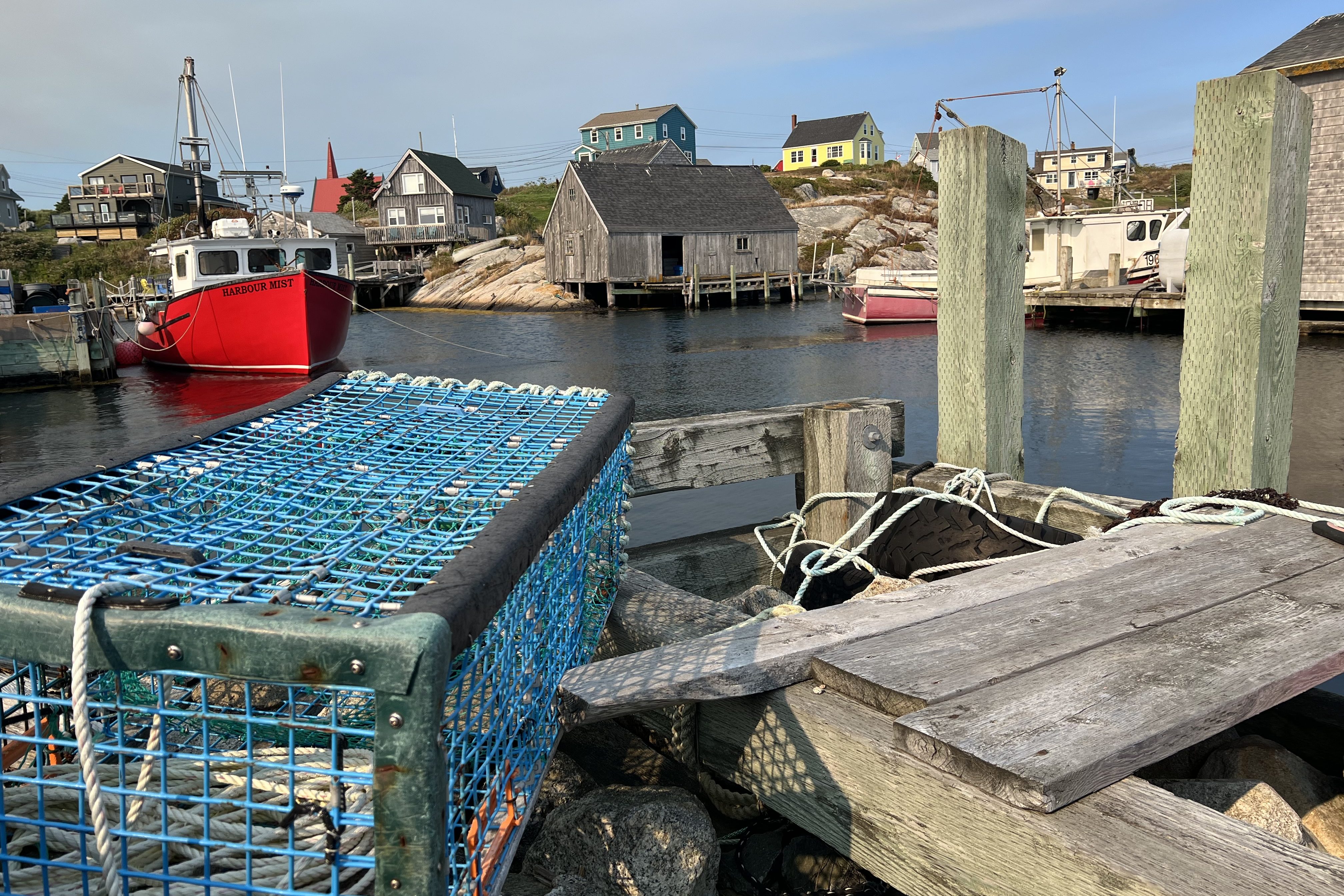
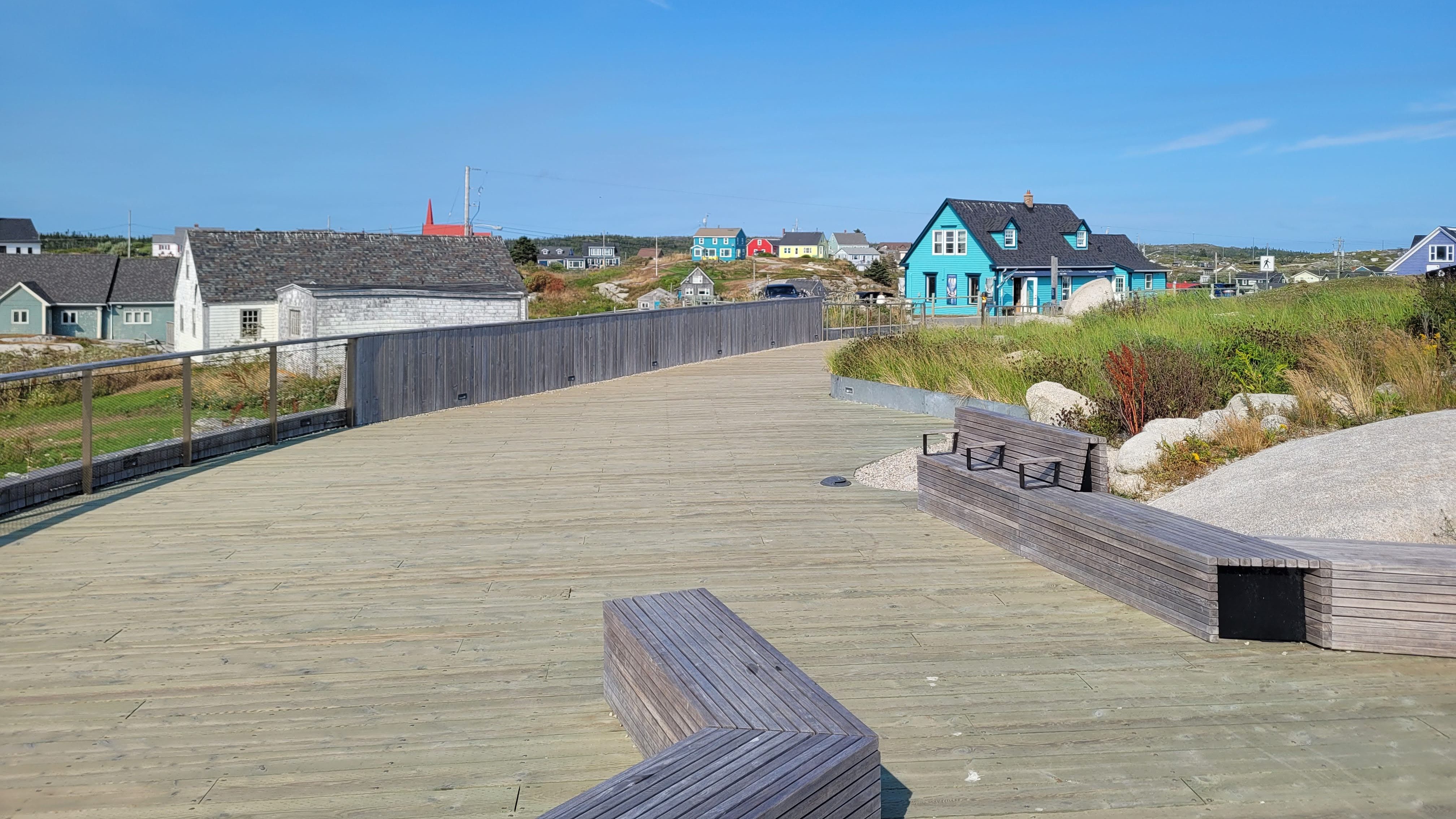
    Harsh winds whip across the rocks, and waves explode against the shore in white sprays that sting the air with salt. As we sit and take it all in, the noise of the crowd fades into a low murmur. There’s a stillness here, a rhythm in the waves that hushes everything else. Even the boardwalk, simple and thoughtfully designed, seems to guide you toward calm.
    Prince Edward Island

    After our time in Peggy’s Cove, we pack up and head back toward Pictou, where my parents will stay with us at the campground for the week. 

    For two days, Chris stays behind while my parents and I set off for a quick escape to Prince Edward Island. A little detour that’s been on my Mom’s bucket list for years.

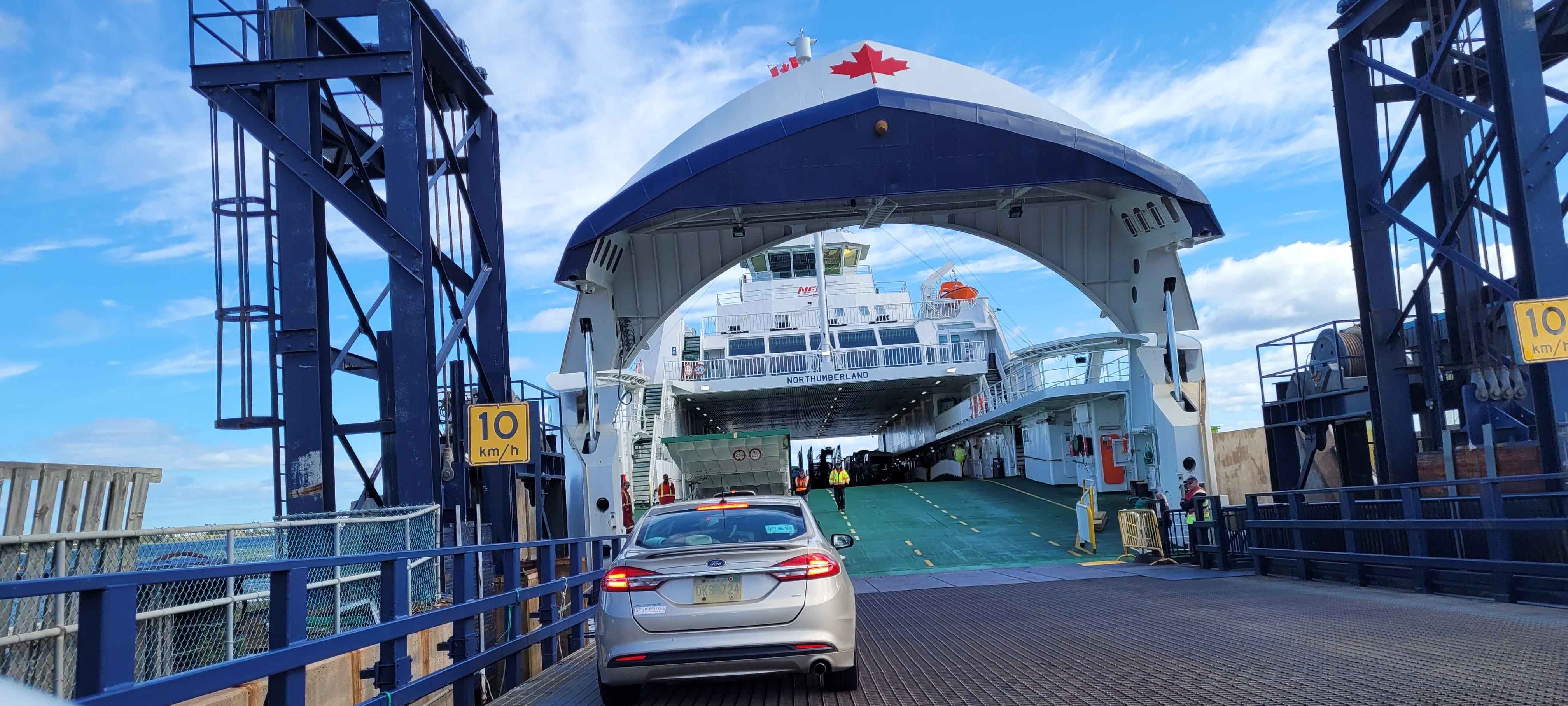
    We drive toward the Northumberland Ferry terminal and roll aboard the huge ship bound for PEI. As the mainland shrinks behind us, the red cliffs and green fields slowly come into view.
    Our first stop is Charlottetown, the island’s charming capital. Despite it being a Tuesday, the city feels alive. The streets buzzing with tourists, horse-drawn carriages clip-clopping along the waterfront, and patios filled with chatter. Parking, however, proves to be a sport of its own. After circling a few blocks and watching the crowds in mild disbelief, we finally find some in an underground lot. When we realize it only costs eight dollars for the entire day, we laugh. That’s what, half an hour in Montreal?

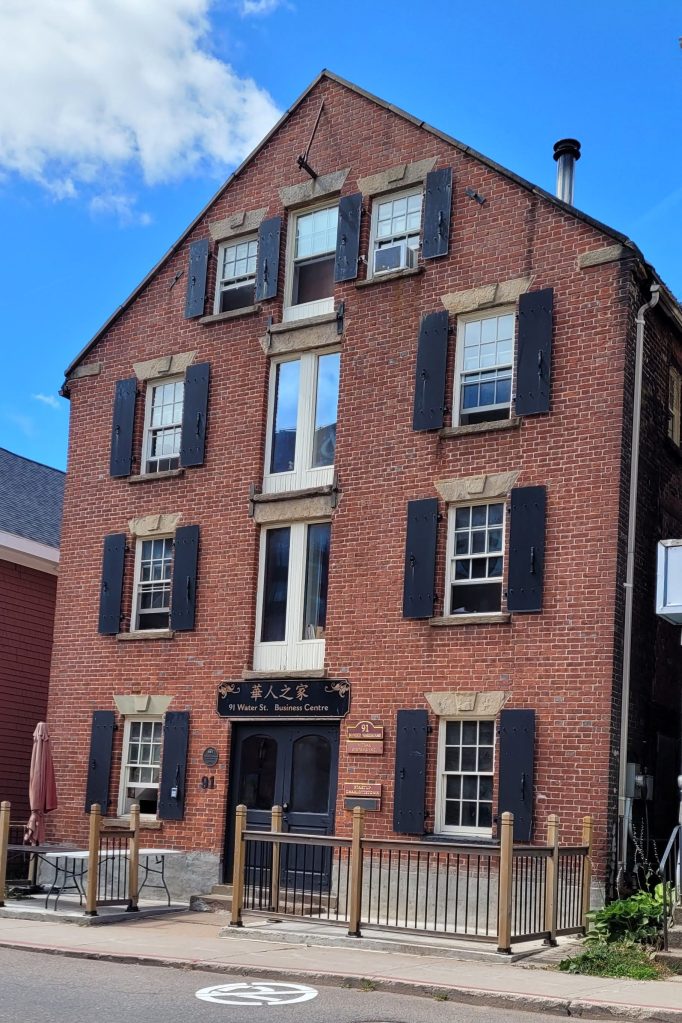
    We hop aboard a small red trolley called the Pony Express, and once the seats are secured, let the city’s stories unfold. The route winds through rows of red-brick buildings with black shutters, each one steeped in colonial charm. There’s something about the blend of old-world architecture and sea breeze that feels straight out of a prohibition-era film.

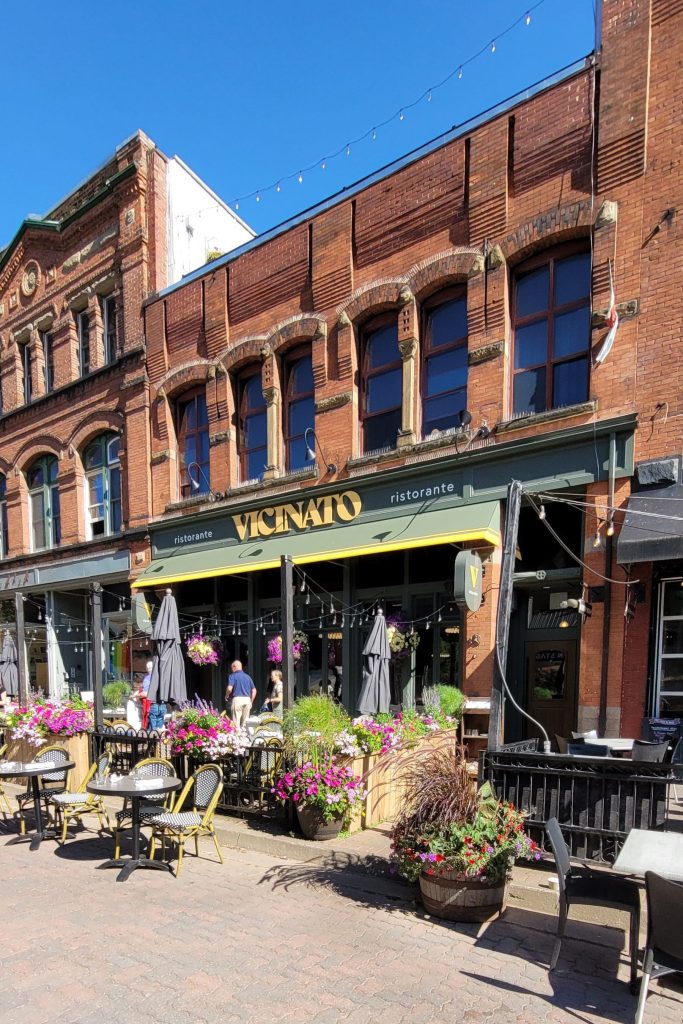
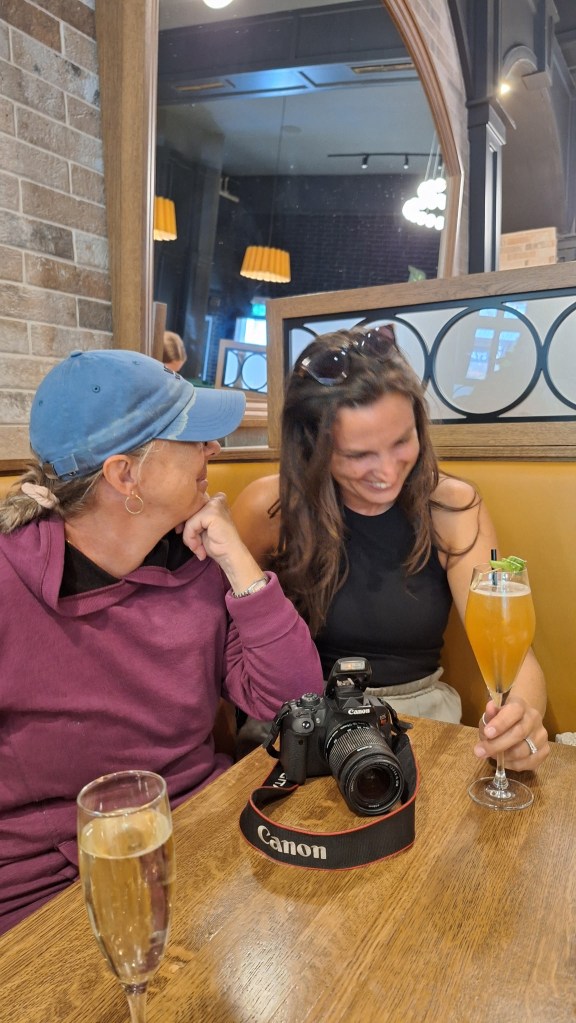
    When hunger hits, we wander the streets in search of seafood — because when in the Maritimes, that’s practically law. But at 2 p.m. on a Tuesday, the options are slim. We finally stumble upon a trendy Italian spot with the smell of wood-fired pizza drifting into the street. Pasta, pizza, and a Revival round of cocktails later, we’re refueled and ready to explore again.
    One of the unexpected highlights of the afternoon is St. Dunstan’s Basilica, a masterpiece of Gothic in the heart of Charlottetown. Inside, sunlight spills through intricate stained glass, setting the gold inlays and marble columns aglow. The ceiling arches high above like a carved canopy of devotion — it’s one of those places where you automatically lower your voice, even if no one’s told you to.

    After a full day exploring Charlottetown’s lively streets, we drive twenty minutes north to a quiet roadside inn. We’ve rented two rooms this time— Dad’s snoring is a force of nature best enjoyed through a wall—but even with the separation, sleep doesn’t come easily. A balcony light outside my door stays on through the night, seeping under the frame and washing the room in a dull glow.

    Morning brings clear skies and the promise of nostalgia.

    The Famous Green Gables

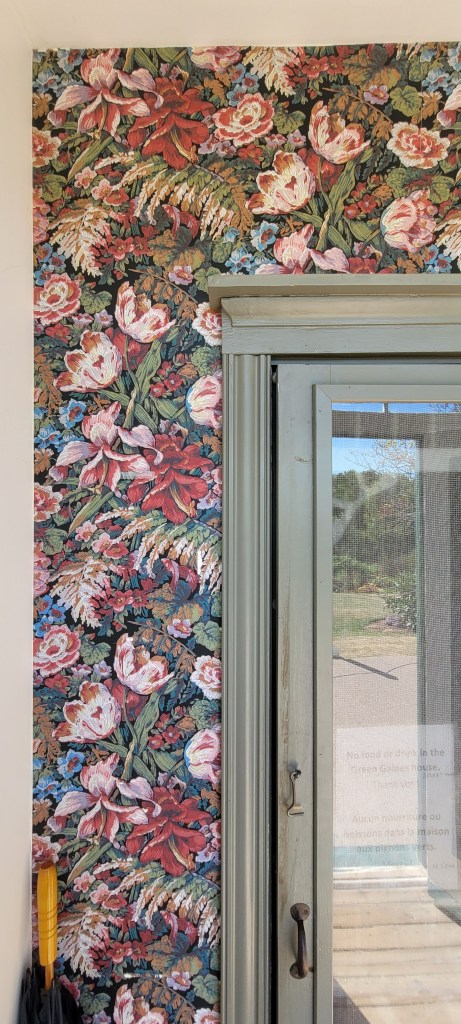
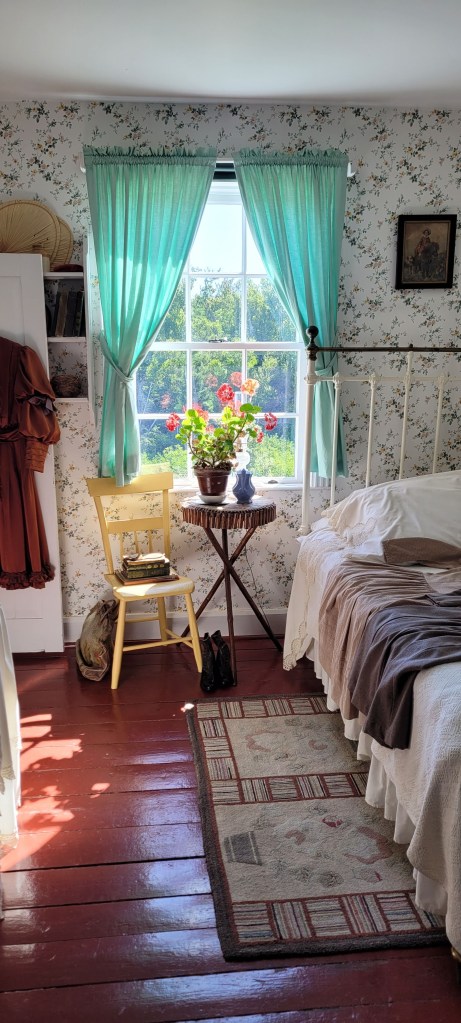
    Our first stop: Green Gables Heritage Place, the heart of Lucy Maude Montgomery’s fictional world. The house stands immaculate, its white clapboard walls and green gables framed by gardens that look painted into being. Inside, rooms are furnished with artifacts collected from local families—objects that blur the line between the author’s imagination and the island’s living memory. We wander through the flower beds and into the so-called Haunted Wood, where snippets of Montgomery’s words appear along the path. The air whispers with her voice, equal parts whimsy and wistfulness.

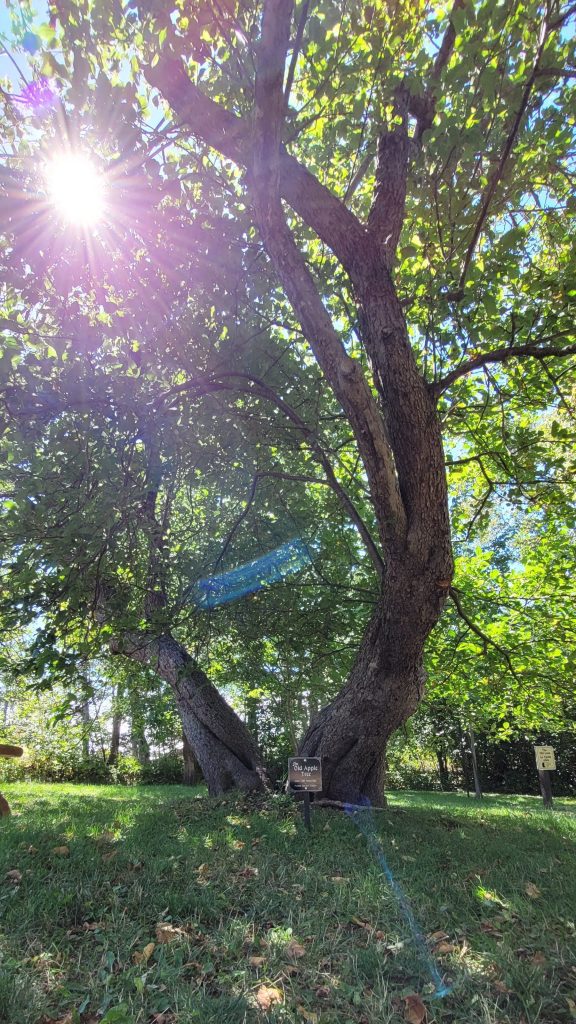
    At the gift shop, a green fabric-bound edition of Anne of Green Gables catches my eye. It’s the kind of book that feels good just to hold. It’s soft, textured, timeless. From there, we continue to the ruins of the modest farmhouse where Montgomery herself grew up. The landscape stretches in gentle waves, framed by that distinct island light that makes everything seem a little more golden. A century-old apple tree stands sentinel near the house, its branches reaching over the yard as if guarding the writer’s memories. Inside, her small writing desk sits by a window, still and humble, yet carrying the quiet weight of creativity that shaped generations.

    It’s easy to see why Montgomery’s imagination bloomed here. The island feels suspended somewhere between fiction and memory—a place where stories don’t end, they just keep unfolding quietly in the wind.
    My parents, inveterate gardeners, start plucking seed pods from the lush flower beds with the stealth of children stealing cookies. I hiss at them to stop, half mortified, half amused, as they stifle laughter and carry on undeterred. There’s no one around to notice—but I can’t shake the irrational fear of being caught and scolded for botanical mischief.

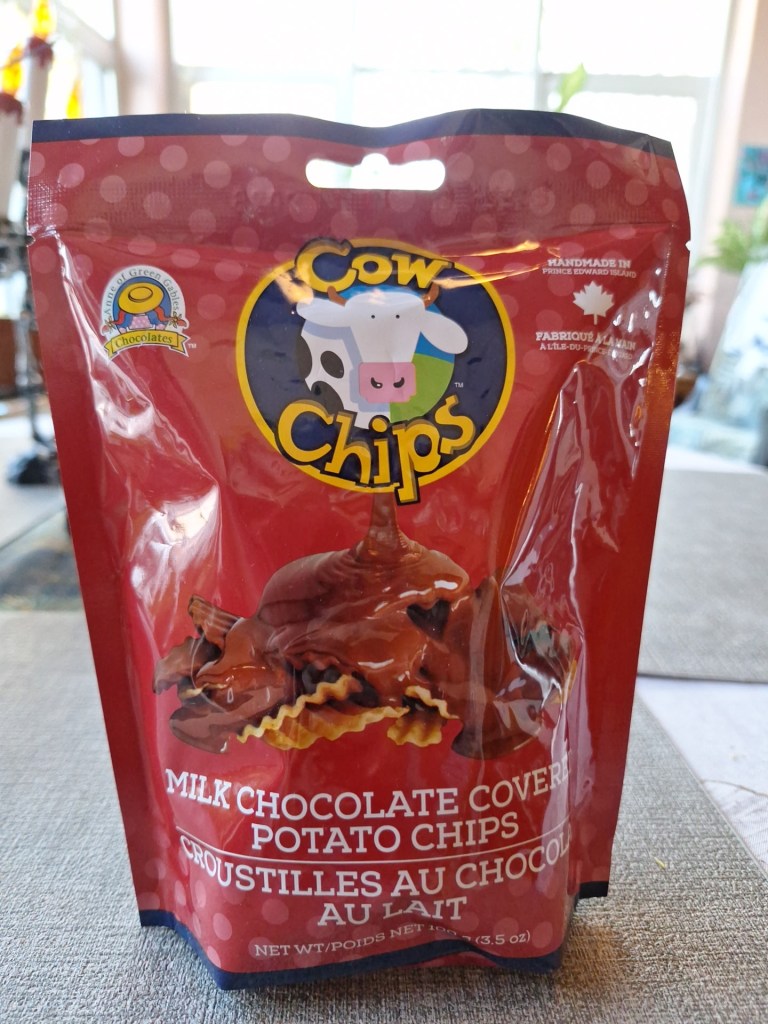
    A short drive away, Avonlea Village offers a different kind of homage—one built for visitors and dreamers. The streets are lined with pastel storefronts, ice cream parlors, and craft shops. Everything feels both staged and sincere, like a recollection of something that never quite existed. I wander into a candy shop and leave with chocolate-covered potato chips—an oddly perfect mix of salt, sweetness, and sentimentality. We finish the afternoon on a patio, sharing nachos and a cold beer while the sunlight softens across the beer garden.

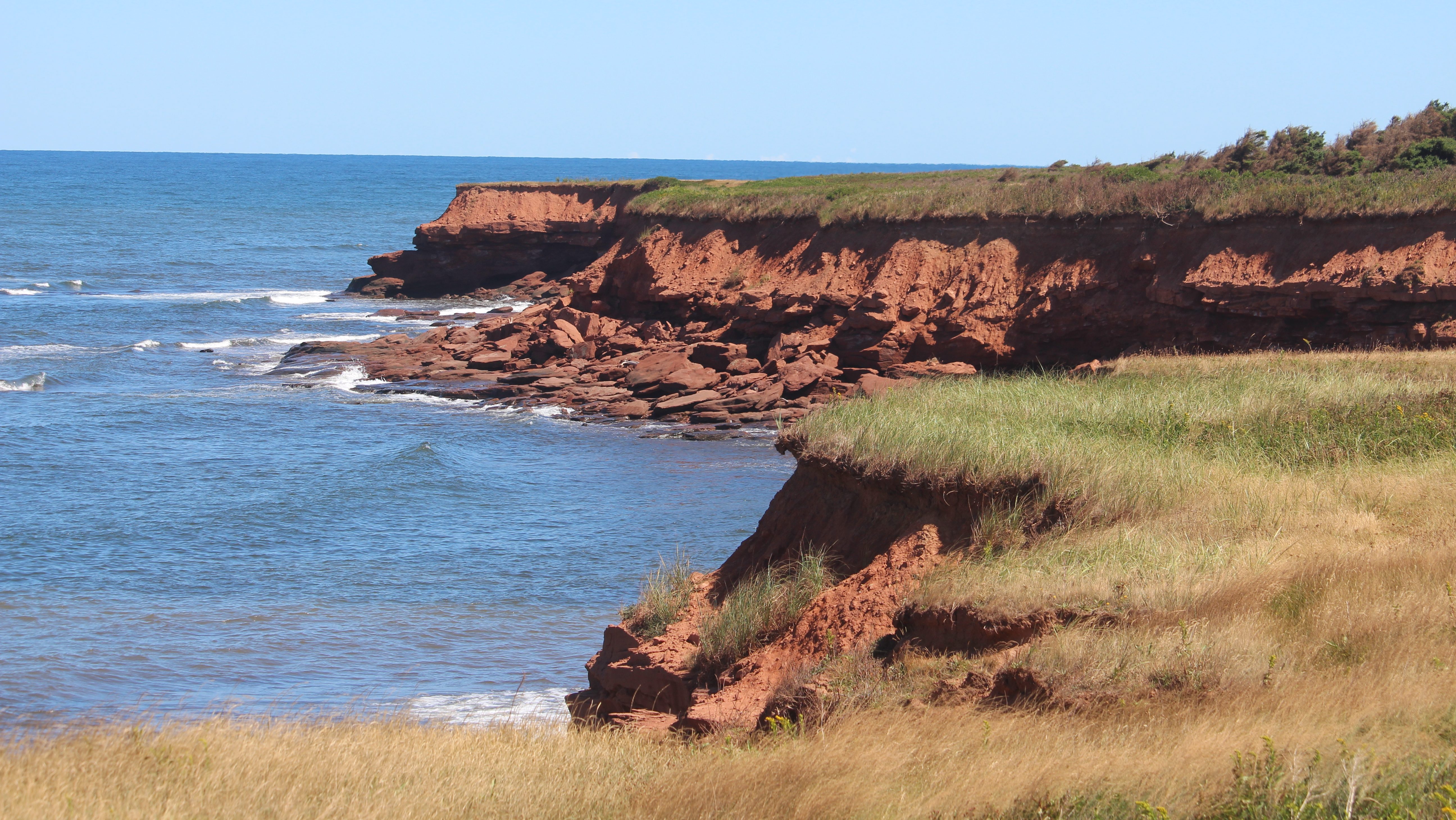
    Before heading back, we detour toward Cavendish Beach, following a winding road lined with dunes and weathered pines. The air grows cooler as we near the coast, carrying the tang of salt and the faint cry of distant gulls. When the horizon opens up, the view stops us cold. Red sandstone cliffs tumble sharply into the Atlantic, their edges sculpted by wind and time. Below, the tide folds against the rocks in slow, deliberate breaths.

    The light has that late-afternoon magic, softening every edge. The cliffs glow copper, the grasses shimmer pale green, and for a moment the whole landscape feels less like something you see and more like something imagined. It’s the kind of place that holds you in silence, where even conversation feels like an unwanted interruption. We linger longer than we mean to, watching the waves break and reform, tracing patterns that never repeat.
    When the sun begins its descent, we turn toward the mainland, trading the ferry for the Confederation Bridge—a slender ribbon of concrete stretching 12.9 kilometers across the Northumberland Strait. The ride feels suspended between two worlds, the island fading behind us, the mainland still a silhouette ahead. Wind presses against the vehicle in steady gusts, and the sea flashes silver in the lowering light.

    As the shoreline sharpens into view, the day settles quietly around us. By the time we roll back into Pictou, we’re tired, happy, and our pockets full of stories, and a few “borrowed” seeds that will soon find new soil.

    Wrapping Up in Nova Scotia

    The week with my parents passes in a blur of salt air and soft laughter. Days stretch long and generous, filled with the kind of ease that only comes when time briefly forgets to hurry. We drove through villages painted in weathered blues and reds, past harbors where boats tilt gently in the tide.

    Traveling with my parents feels like returning to something familiar and fleeting all at once. There’s an unspoken rhythm between us—quiet pauses and easy laughter, moments stitched together by the simple pleasure of being in one another’s orbit.

    Evenings settle slow. We gather around tables always cluttered with food, half-empty glasses, and stories that drift between memory and the present moment.

    When the week ends, we load bags and goodbyes into the trunk of their rental car. The morning is crisp, the air sharp with that familiar Atlantic chill. Chris and I stand in the gravel driveway, hands tucked in our pockets, watching as my parents wave from the window—smiling, content, and maybe a little tearful. The car rolls down the narrow lane and disappears around the bend, the sound of its tires fading into the wind.

    For a long moment, we stay there in the quiet. The laughter, the days, the salt and light—all of it lingers, like sea spray caught in the air, refusing to settle.

  • Kickstand Chronicles, Vol. 1: The Cabot Trail

    Kickstand Chronicles, Vol. 1: The Cabot Trail

    The hum of our engines cuts through the morning fog as the first light spills over our campsite in Pictou. The world is quiet except for the low rumble of anticipation and caffeine kicking in. We’re gearing up for our first multi-day motorcycle trip, the beginning of The Kickstand Chronicles, a collection of rides, reflections, and fleeting moments that remind us of why we chase horizons on two wheels. 

    Our destination is the legendary Cabot Trail. One hundred and eighty-five miles of winding asphalt carved through cliffs, forests, and sea spray. It’s the worst-kept “hidden gem” among motorcyclists, a bucket-list ride we’ve dreamed about for years. Today, it’s finally happening. 

    But before a wheel even turns, the age-old debate arises: Clockwise or counterclockwise? Ask any local, and you’ll hear passionate arguments for both. After hours of forum scrolling, campground chats, and a fair bit of indecision, we settle on counterclockwise. That route hugs the coastline, keeping the ocean to your right, the edge so close you can taste the salt in the air. Some say it can trigger vertigo. I call that a front-row seat to the Atlantic. Besides, I tend to romanticize everything, remember? 

    Panniers packed, GPS loaded, comms charged, we roll toward Cape Breton Island. The drive takes just over an hour, and we avoid the highway whenever possible. When we finally cross the causeway, signs boast about the world-famous Cabot Trail. Unsure how far apart gas stations might be, we fill up and set off. 

    The plan is clear. Counterclockwise it is. 

    Except, within twenty minutes, it isn’t. 

    Something feels off. “This doesn’t look right,” I mention through the comms. 
    “This is definitely the way,” Chris replies, his voice full of confidence. 

    Given my less-than-stellar navigation record, I let it go—until a few miles later, I hear a faint “Crap” through my helmet. 

    “What is it?” I ask. Silence. His blinker flashes, and he pulls to the shoulder. 
    “What is it?” I repeat, louder this time. 
    A pause, then a half-laugh, half-sigh. “You were right.” 

    Did I hear that correctly? I was right? 
    Too stunned to celebrate, I ask, “Wait, what do you mean I’m right?” 

    Turns out we had turned too soon and were heading clockwise the whole time. My carefully plotted route and dream coastal views vanished with one wrong turn. 

    We consider doubling back but quickly dismiss it. The road ahead is open, the day young, and retracing steps has never been our style. This is how we always travel: Part plan, part instinct, and a generous dose of improvisation. 

    How many miles we cover in a day depends on the weather, temperature, and how often I stop to admire the view (which is often). The only real rule is to keep moving forward, wherever the road decides to take us. 

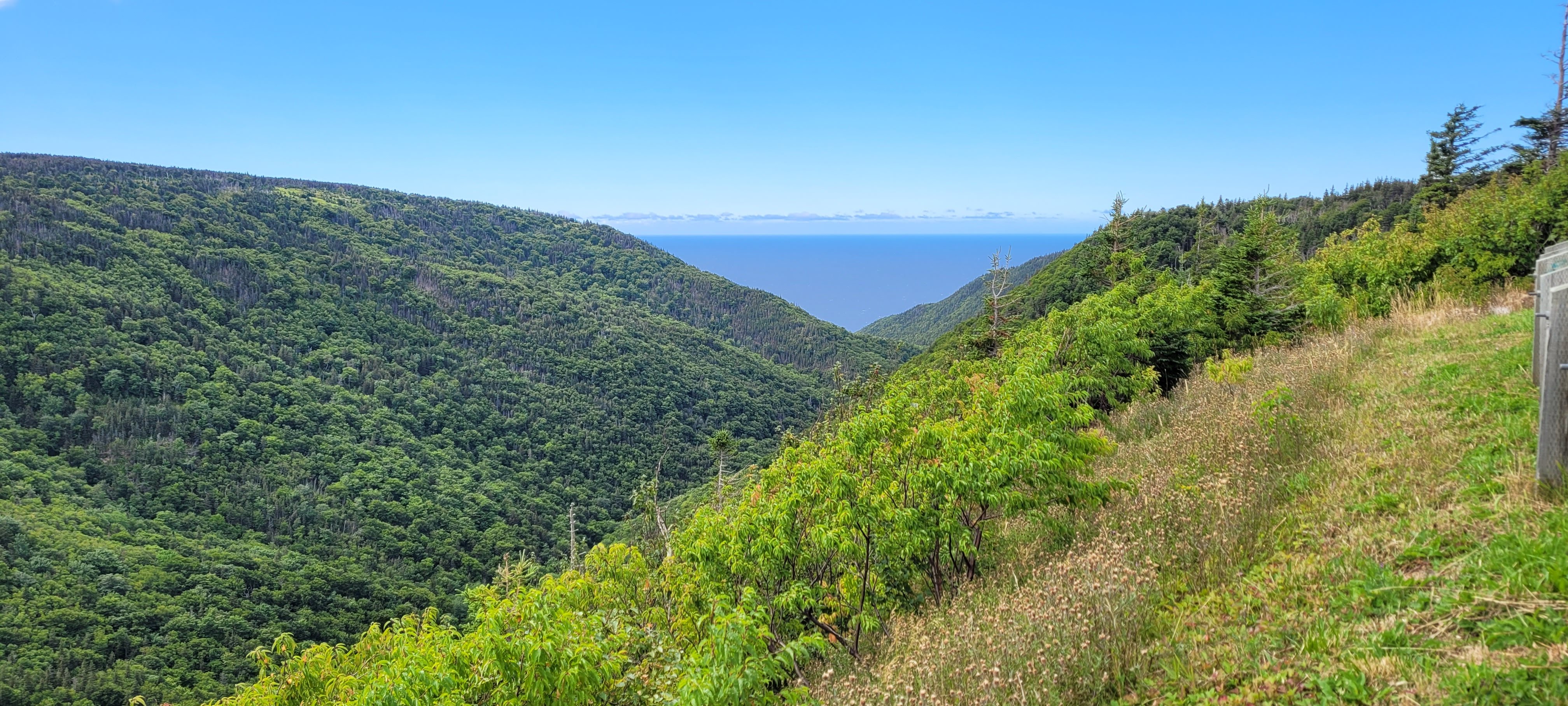
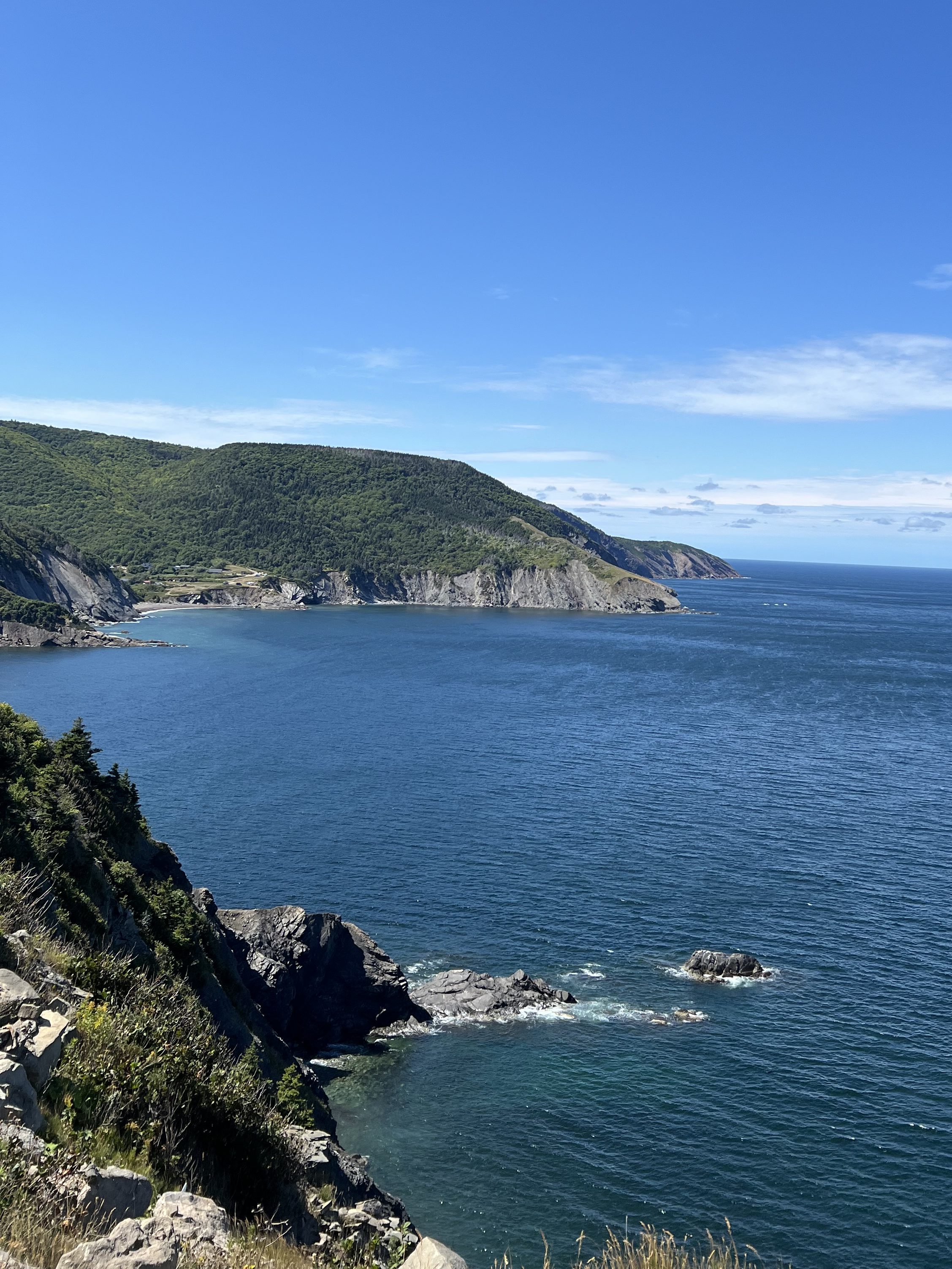
    At the entrance to Cape Breton Highlands National Park, a ranger waves us down to share tips on the best lookouts. This year, there’s no park fee, and thanks to a fire ban, campsites are easier to find. The gate lifts, and we shift into first gear, winding upward through curves that reveal spectacular ocean vistas. Steep cliffs drop vertically into blue depths. Just when we think we’ve seen the best view, the next corner proves us wrong. Choosing which lookout to stop at becomes a battle with FOMO. 

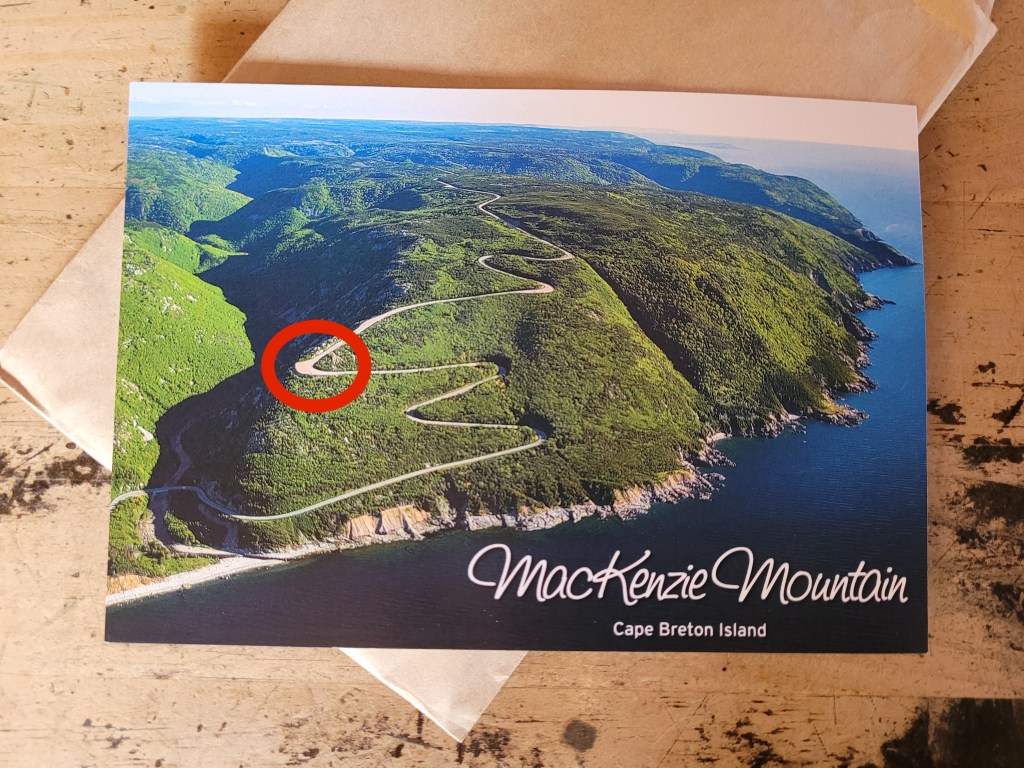
    As everything feels perfect—the bikes humming, the sun warm on our shoulders, the road unfurling ahead—we pull over at a scenic curve along MacKenzie Mountain. From here, the coastline stretches endlessly into the Atlantic, rugged cliffs stand proud beneath a sky too blue to be real. Tourists gather at the viewpoint, laughter and camera shutters carried by the wind. 

    MacKenzie’s turns sweep down the mountain in wide arcs, but the parking lot sits on a noticeable slant. Not much, just enough. 

    When it’s time to leave, I swing my leg over the seat and feel it: that slow, sinking shift. “No, no, no…” I whisper, but gravity has already decided. In slow motion, the bike leans, wobbles, and with a loud splat hits the asphalt. 

    Unfortunately, I go down too. My body flings sideways like a ragdoll in a bad stunt reel, landing flat on my back, arms sprawled out as I stare up at the sky in disbelief through the rectangle of the helmet visor. 

    In my ear, Chris’ sigh comes through, one part patience, one part prophecy. He had already noticed the slope and parked me in a safer spot. And here I am, proving him right again. 

    Tourists rush to help, their concern comically disproportionate to my bruised ego. Together, we heave the bike upright, her shiny new handguard scuffed, my pride thoroughly demolished. 
    “You good?” Chris asks, his tone halfway between concern and amusement. 
    “Yep,” I answer. “Now please help me lift this thing so I can die of embarrassment somewhere else.” 

    The “I fell here” memento I made from a postcard bought in a nearby shop.

    And just like that, the perfect ride has its first mishap, the kind that becomes a favorite story later. Or a cautionary tale. Whichever one calls to you best. 

    We continue through the valleys of Cape Breton Highlands, the scenery still surreal. Cliffs plunge into the sea, winding roads weave through dense trees, and every curve reveals another picture-perfect moment. As the sun dips low, we start scanning for a campsite. 

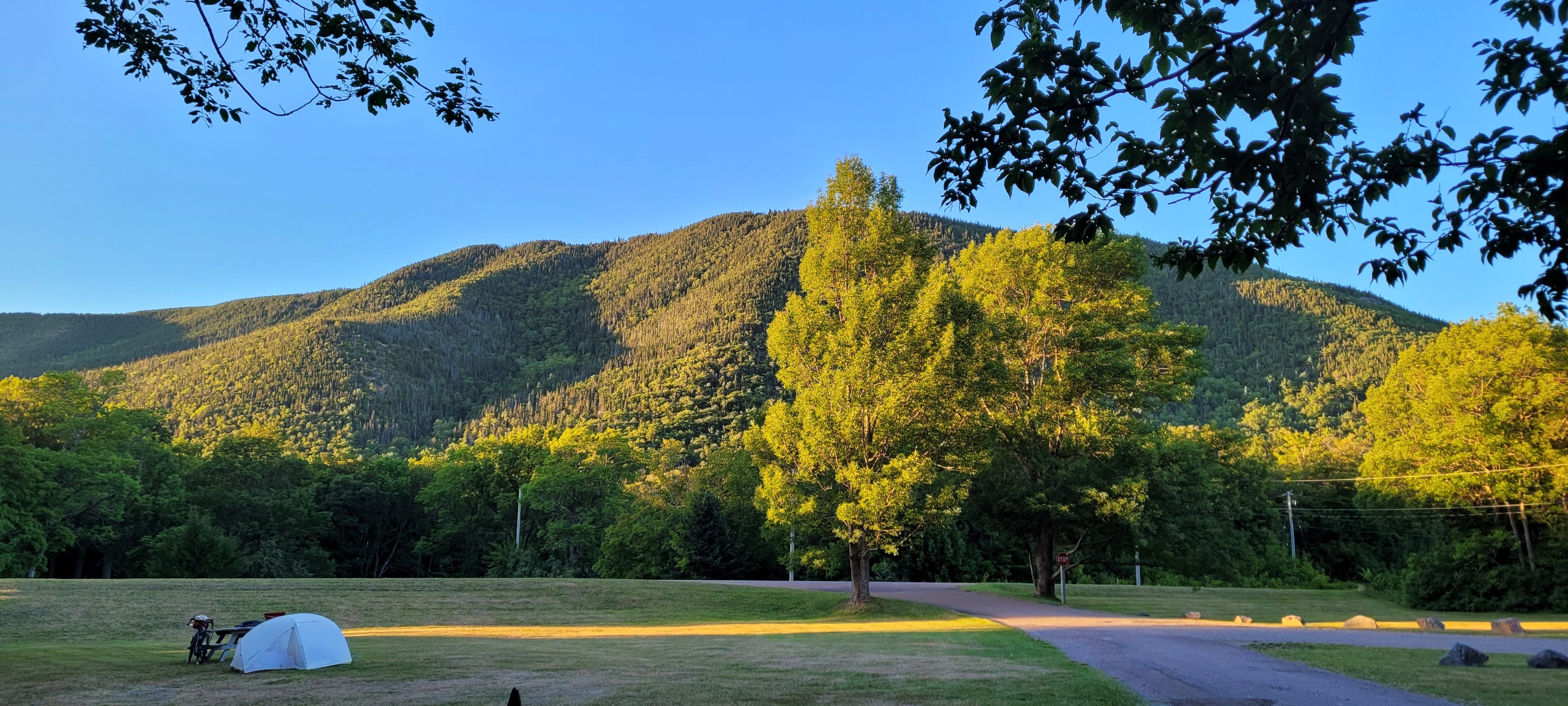
    We find a quiet spot near the mountains, nothing but rustling leaves and a babbling brook nearby. Our only neighbor is a small tent with a lone bicycle parked beside it. We had seen the same bike earlier, the rider grinding up a steep incline while we cruised past, impressed and a little guilty. 

    Curiosity wins, and we wander over. That’s how we meet Johan from Lyon, France, who is cycling across Canada, from Vancouver to Newfoundland. By now, he has pedaled nearly five thousand miles, averaging 70 a day and surviving on Knorr meal packs. Genius, really. We have spent far too much on dehydrated camping meals, and here he is proving the cheaper ones taste just as good. 

    As we walk back to our tent, I sigh dreamily. 
    “Wow,” I say. “I want to try that kind of travel someday.” 
    Without missing a beat, Chris replies, “You couldn’t ride from here to the road without getting winded.” 
    Touché. 

    The next morning greets us with stiff backs but another golden sunrise over the mountains. Sleep wasn’t great, but the view makes up for it. We pack our gear, stretch our sore muscles, and head to Pleasant Bay for a long-anticipated whale-watching excursion. 

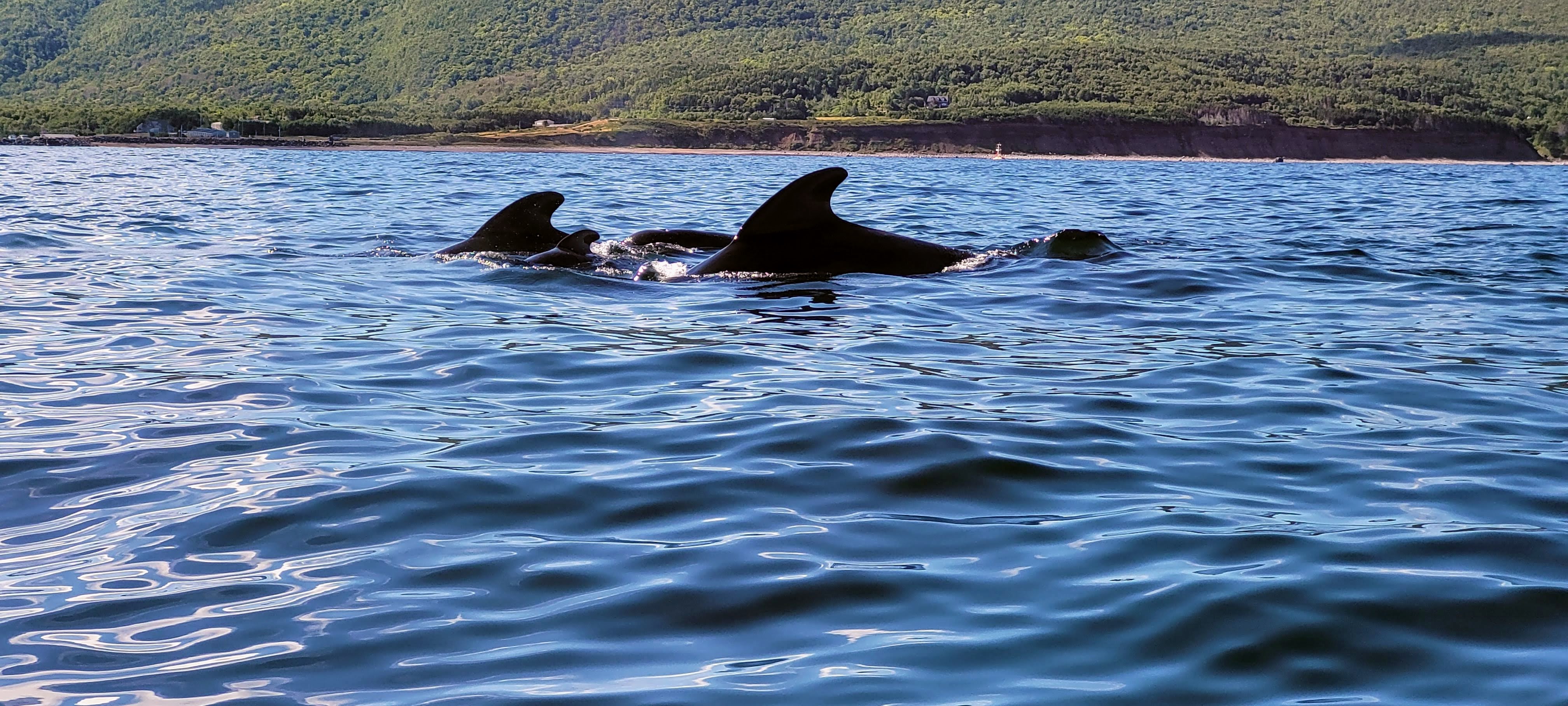
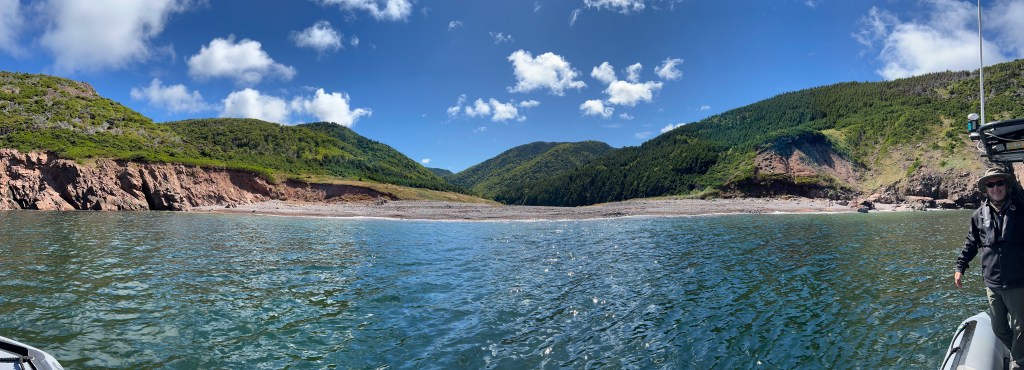
    At the dock, Captain Mark welcomes us aboard a small zodiac. His energy is contagious, his stories blending fact and folklore with effortless charm. As we head out, the sea greets us with gentle swells and salt spray. Before long, a pod of pilot whales surfaces nearby, sleek and curious. Mothers and calves glide between the waves, unbothered by our presence. 

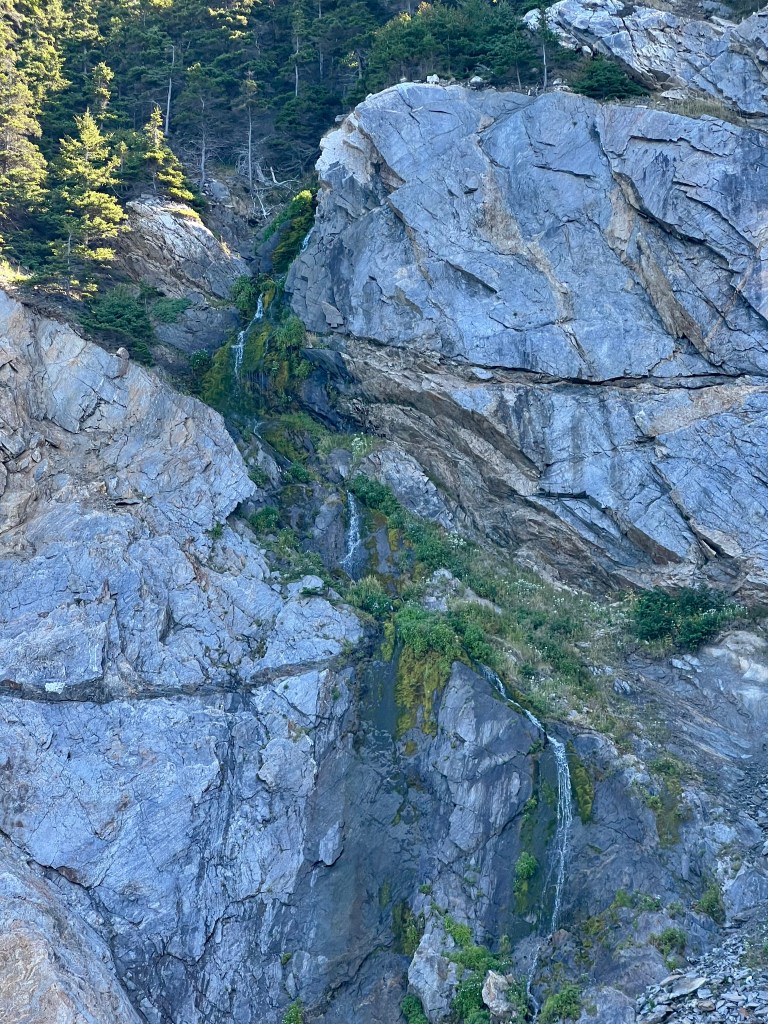
    Above us, Northern Gannets dive like arrows into the sea. Closer to shore, cliffs rise in jagged layers, their edges carved by time. Captain Mark points out “The Old Man,” a rock face shaped by nature into a profile both haunting and human. Grey seals pop their heads above the water, watching us with curious eyes before slipping beneath the waves again. 

    After two hours on the water, we return to shore, salt-streaked and grinning. It’s the kind of experience that lingers long after you’re back on land. 

    Side note: our GoPro didn’t survive the adventure. In a burst of enthusiasm, Chris dunked it underwater for the perfect whale shot. Minutes later, it blinked, sputtered, and died. Saltwater, as it turns out, isn’t forgiving. Another casualty of curiosity. 

    Later that day, we follow a small dirt path toward a Buddhist temple we spot on a roadside sign. The trail twists through trees and opens to a clearing where a white and gold stupa gleams under the sunlight, prayer flags fluttering in the breeze. The air feels still and sacred. Carved messages speak of peace and presence, a quiet reminder to slow down. 

    Captain Mark had mentioned that each year, monks here buy a local lobster catch, bless the lobsters, and release them back into the sea. It’s their way of giving life another chance, just in case one of their brothers has returned in shellfish form. The story lingers with us as we ride away, engines blending with the hum of the forest. 

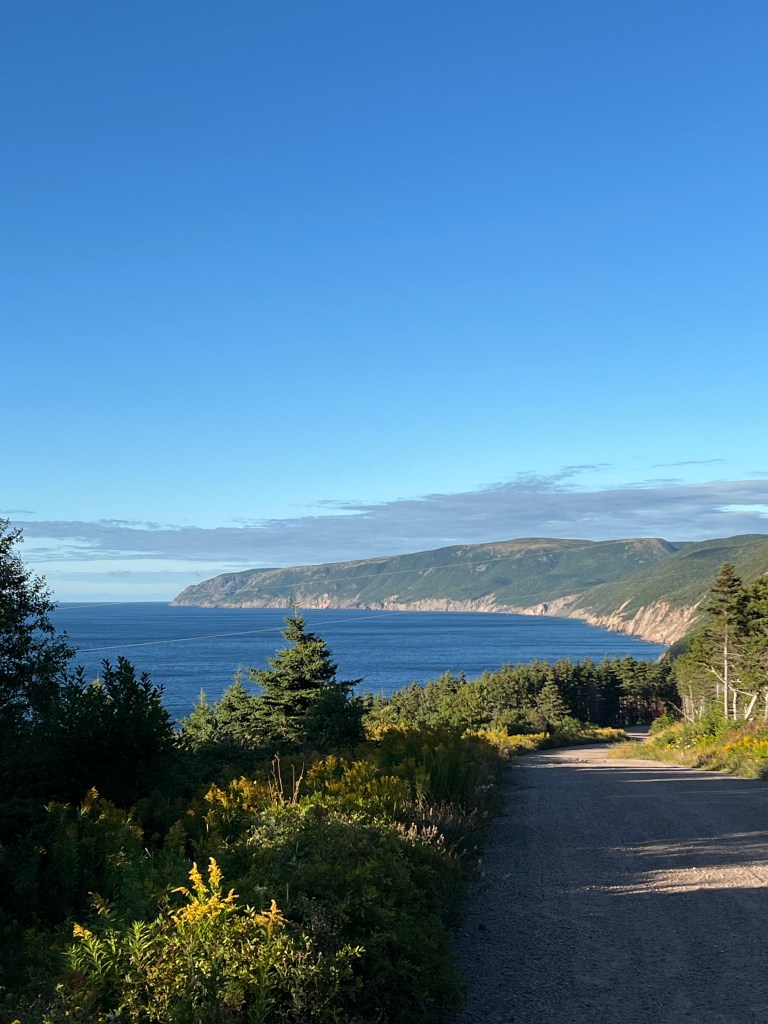
    From Pleasant Bay onward, the Cabot Trail feels like it opens up at every turn. The road clings to the mountainside, the Atlantic stretching endlessly below. Each curve offers something new: a burst of wildflowers, a sliver of beach far below, a rush of wind that smells like pine and salt. The trail demands our focus but rewards us with awe. 

    Before leaving Pictou, our campground neighbor Dwayne had warned us with a grin, “Watch out for the hill people up north. You’ll know when you get there.” What we find instead is Meat Cove, a windswept, cliffside campsite where ocean and sky meet in spectacular fashion. It’s less remote wilderness and more adventurer’s resort, full of tents, camper vans, and laughter drifting through the salt air. We can’t help but laugh at the irony. 

    As the sun dips into the horizon and the waves crash below, the beauty of it all leaves us silent. 

    We rarely plan campgrounds ahead, so our options often depend on timing and our sore backsides. Balancing the choice between riding longer or settling for what’s available has led us to some of our best surprises. Sometimes the gamble lands us somewhere extraordinary, like a stretch of beach framed by forest and ocean. 

    That’s how we find our next stop: A literal beachside campground. I imagine a magical night by the sea, the kind of place you see in travel magazines. For the first hour, it’s just as whimsical as I’d imagined. The sky turns from gold to deep indigo, the waves hum softly, and the tent glows warm from lantern light. Then the wind shifts. 

    What starts as a breeze becomes a gale. The tent walls whip and snap, and sleep becomes a distant dream. Then comes the rain. We scramble to zip the fly shut, sealing ourselves in a humid cocoon that feels half sauna, half shelter. By morning, we’re bleary-eyed and delirious, the night officially filed under “memorable disasters.” 

    Coffee is non-negotiable, so we roll onto a small cable ferry and ride straight across without dismounting in Englishtown. Breakfast follows, along with the inevitable conversation about why we do this to ourselves, hauling gear, chasing weather, and sleeping on noisy, slippery fabric. 

    Refueled and restless, we continue east to circle the island completely. The wind roars against our helmets as we ride through stretches of empty coastline, windswept trees bending inland. On this side, there are fewer tourists, more “for sale” signs, and a quiet stillness that feels both freeing and slightly eerie. 

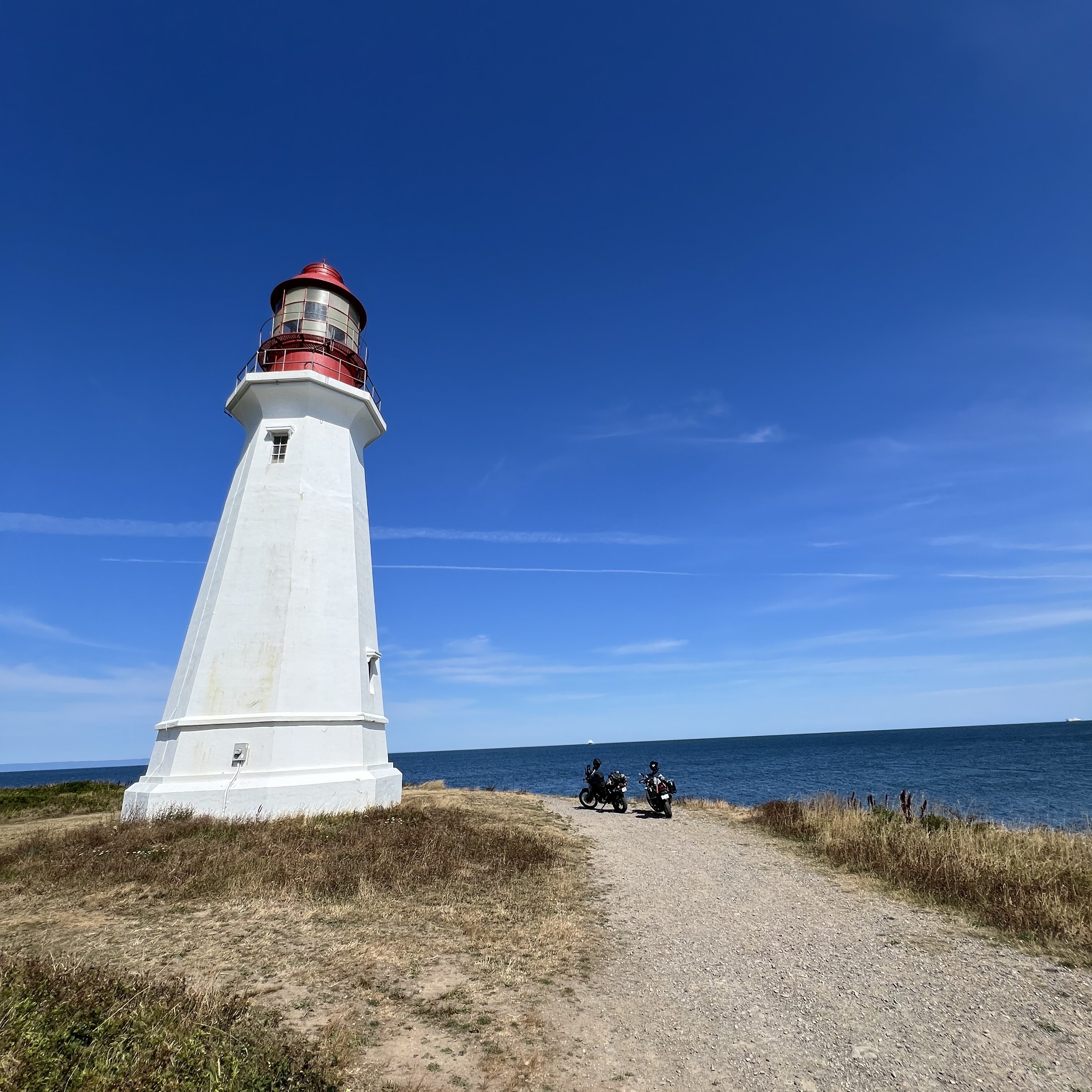
    Lighthouses dot the shoreline, white and red against the blue horizon. Even after a dozen of them, their silhouettes never lose their magic. They are symbols of endurance, quiet keepers of the Maritimes. 

    Further south, we reach Isle Madame and the village of Petit-de-Grat, a serene fishing community shaped by the sea. The road meanders along the coast, where pastel homes rest close to the water and boats sway gently at their docks. The air smells faintly of salt and seaweed, touched with the clean smell of linens hanging on clotheslines. 

    The pace here is unhurried. Every bend reveals another cove, another weathered shed, another moment worth remembering. Locals wave as we pass, their gestures warm and familiar. Isle Madame feels humble, proud, and deeply rooted—a place where the sea is both companion and teacher. Riding here isn’t about distance; it’s about simply being present. 

    We end our loop at a small pub, toasting the ride with a local specialty: the donair fried roll. Crispy, rich, and exactly what tired riders need. Once again, the sun dips below the horizon, and though a few hours still stand between us and the Bus, the pull of our soft bed wins out. 

    Helmet hair, rosy cheeks, and road dust—signs of an adventure well lived. The Cabot Trail has earned its place in the Chronicles. 

  • We Head East

    We Head East

    Leaving the cabin meant facing the hardest part of long-term travel: Deciding where to go next. Every option feels like the right one; yet choosing means letting go of a dozen others. The desire to see it all can weigh heavier than the motorcycles packed in the trailer. FOMO is a real travel companion, and if you let it take over, you’ll sit frozen in “what ifs” instead of moving forward. It’s analysis paralysis at its worst – like staring at a blank page before daring to write the first line. I speak from personal experience on this one.

    To arrive at a final decision isn’t always simple. Chris and I had been glued to our laptops for hours, scouring maps for a campground that checked all the boxes: Clear, unobstructed skies for our internet connection, close to bucket-list worthy motorcycle trails, far from a noisy highway, away from the middle of a city, reasonably priced, and available for a three-week stay. Yes, we know, our criteria list is a mile long.

    Each time we thought we’d found the right spot, we’d comb through campground reviews like detectives. When we finally landed on a spot that seemed perfect and spoke to someone at the other end of the line, our relief gave way to skepticism.

    “Do we pay now?” we asked.
    “Oh no, at the end, don’t worry about it,” came the casual reply.

    Which immediately set off alarm bells. The trauma of our North Bay, Ontario campground fiasco was still way too fresh. No deposit? No receipt? No guarantee?

    “Do we get a confirmation number or email?” I asked, trying not to sound shrill.
    “Oh, yeah, sure. It’s 9038.”

    To this day, we’re convinced that number was pulled out of thin air just to shut us up. But with no backup plan, we crossed our fingers and hit the road for the 1000 miles journey. Onwards to Nova Scotia, Canada!

    Our first day had us driving for over 11 hours, until the sun started to set. That’s how we ended up at a truck stop in New Brunswick for the night. Not exactly the pretty-views-camping we’d envisioned as rookie full-timers, but in RV life, safe and practical wins in certain cases. Fluorescent lights buzzed overhead while the low hum of diesel engines became our white noise.

    The next morning, optimism took the wheel, along with just enough blind faith to keep things interesting. I had been appointed Chief Navigation Officer, a title that sounded far more official considering my actual skills. What I didn’t realize was that my GPS had “Toll Roads Off” in its settings. Combine that with the fact that we’d run out of Canadian data, our route was locked-in the moment I pressed “Go.” No rerouting, no quick fixes. Just commitment to our paper Atlas. It became a lighthouse beacon safely guiding our ship to port.

    Of course, that’s when the map betrayed us. A “primary highway” looked promising outlined in bold red, but turned out to be anything but highway or primary. The fastest route on paper was definitely not the easiest way to tow the Bus.

    Here’s where our personalities inevitably collided. Free spirit me was the one who insisted on chasing the ocean as we headed East, convinced that the smaller highways would reward us with sweeping views. The ever-rational Chris, pointed out the less romantic reality. Postcard-worthy roads usually come with sharp curves, low shoulders, and a headache or two. Naturally, we married each other.

    We ended up following my lead. Our prize for chasing the ocean? A narrow, winding road that ended abruptly in construction. 

    “How closed could it really be?” we asked. Answer: Very closed.

    This led us straight into one of those humbling rites of passage as a newly-ish married couple. We backed our rig into a stranger’s driveway to make a 180 degree turn. Remember when I mentioned taking driving for granted? There’s no quicker ego check than pretending to stay calm while your husband maneuvers 35 feet of trailer backwards with surgical precision.

    Eventually, we found the detour, which wound us onto (you guessed it) more narrow roads. By this time, the charm was wearing thin. Potholes rattled the truck and trailer. The pavement eventually gave way to a stretch of dirt road, vibrating us to pieces with relentless speed bumps. Then came the tight squeezes through small towns, where our mirrors practically brushed past mailboxes and parked cars.

    I could feel Chris’s patience stretching perilously with every bump and jolt. The more the road deteriorated, the quieter it got inside the truck. Not the peaceful kind of quiet. More like the no one dares to speak because we both know exactly why we’re here kind of quiet. This had been my call and I was acutely aware of my blunder. From the grand idea of chasing the ocean along a “scenic” back route, I now sat small in my seat, trying not to attract attention.

    Finally, the road opened up to the sweeping ocean view I had been longing for. While they were exactly as I’d imagined, . Only tinged with the knowledge that sometimes, the beauty comes with a price. In this case, the price was every last ounce of Chris’s patience.

    Harbour Light Campground

    We pulled into the campground and stepped into the main office, where we were greeted by the owner, Cameron. Without hesitation, he reached behind him for a basket on the shelf and handed it over. Inside were heaps of plump blueberries.

    “Here ya go! Fresh picked just yesterday morning,” he said with a cheerful grin.

    The voice rang a bell. It was the same man who’d taken our reservation over the phone! Sure enough, our site was ready – the very site he’d told us about during our first conversation. Somehow, without checking a single note or phone screen, he remembered not only our names but also where we were from and what we were towing. Impressive.

    No sooner had we finished introductions than Cameron launched into what the longtime seasonal campers later described as his “50-question interrogation.” Apparently, it was his way of showing he liked you. I believed it.

    One of his questions was about which route we’d taken to get to the town of Pictou. And there it was—the dreaded question. I admitted, a little sheepishly, that we’d taken Route 6.

    “Oh no, that’s the long way ‘round,” he chuckled. “Never mind what the GPS tells ya. The highway looks longer, but you’ll be moving faster and straighter.”

    I could feel Chris nodding his agreement. I, on the other hand, avoided eye contact. Cameron caught the silence. “Ah, you two fight on the way here?” he asked, eyebrows raised.

    Busted. I scrambled for a response that wouldn’t give us away completely.

    “Well,” I said, “I admit I made a navigational mistake. Let’s just say that the inside of the truck got very quiet.”

    Cameron burst out laughing. 

    “That’s worse! But hey, you made it, and it’ll all be better now that you’re here.” Then he added, almost as an afterthought: “Don’t prepare supper!”

    Chris and I exchanged a quick, confused glance, but exhaustion had gotten the better of us. With the Bus still to set up and bags to unpack, we simply nodded, thanked him, and headed off to our site.

    We tuck ourselves into a row of RVs, each lined up neatly beside the next. It feels busy here, a little buzz of activity with families setting up chairs, kids pedaling bikes, and the smell of the nearby ocean drifts through the air. Everything is tidy and cared for, which makes the bustle feel inviting rather than overwhelming. The best part is the beach: Just a short walk down from the site, where you can dip your toes in the water or simply sit back and watch the waves roll in. It’s the kind of place where you feel part of a bigger camping community, yet still get to enjoy the calm of a small coastal town.

    Once we’d finished tidying up around the campsite, we couldn’t resist the pull of the ocean. Neither of us had ever stood on this side of the Atlantic before, and its mystery tugged at us. What would it be like? Were there sharks, jellyfish, or other strange creatures lurking out there? Like any curious couple, we knew the only “sensible” thing to do was to get in and find out.

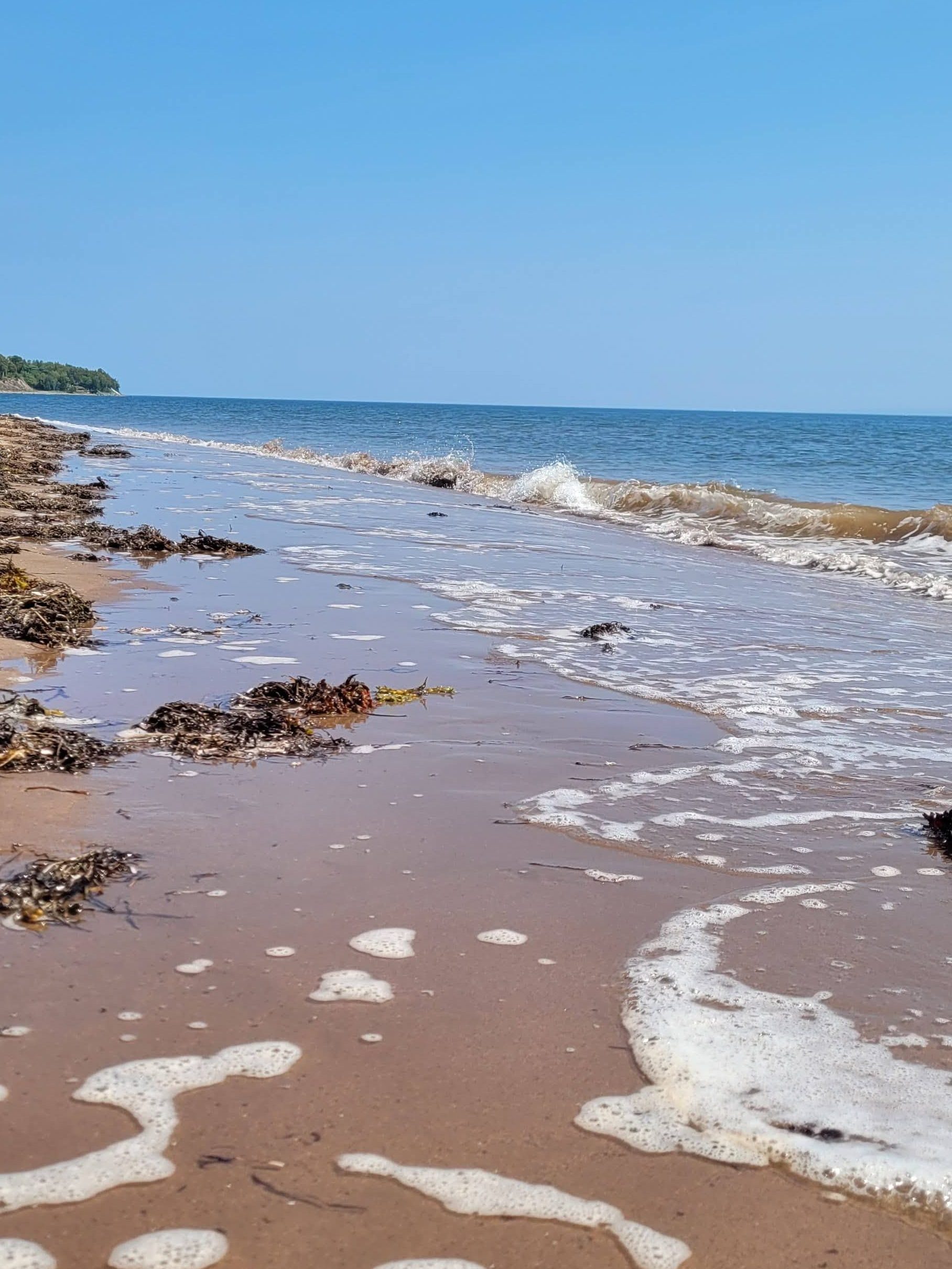
    The path to the beach starts simply enough: Winding under a canopy of tall trees, the ground shifting from gravel to scattered rocks. Sunlight filters through the leaves, flickering on the trail as we make our way down. Soon, the trees open onto a sandy walkway bordered by tufts of tall grass swaying in the warm breeze. That very first step onto the sand feels like pure bliss.

    And then, just ahead, the path funneled wide. There it was, the Atlantic, in all its quiet grandeur. Waves rolled in gently, carrying that unmistakable salty tang. But there was a twist I hadn’t expected. The air smelled different from the Caribbean waters I knew so well. Here, the salt mingled with a faint but present hint of sulfur, like the scent of hard-boiled eggs. When the tide dropped, the smell grew stronger – a strange but oddly endearing reminder that this ocean had its own character, one we grew to enjoy over our stay.

    The heat wave and drought pressing down on Nova Scotia made the day feel almost tropical, heavy with humidity. The air was so warm that the coolness of the water felt less like an intimidating eviction and more like an open invitation. With the sun on our backs and the horizon stretching endlessly before us, it was impossible not to walk in, letting the Atlantic welcome us for the very first time.

    The first swim of the day was perfect; the kind of effortless joy that makes you forget the chill of the water. Later that evening, we returned, thinking a sunset dip would be the ideal way to end the day. But as we waded deeper into the water, something caught Chris’ eye. A sudden yelp, a splash, and he bolted back toward the shore. Odd. What could have startled a grown man like that?

    When I looked down, there were hundreds of tiny, shifting shapes moving beneath the surface. My turn to panic. I stumbled back, laughing nervously as we both realized how ridiculous we must look. A quick scan of the beach confirmed it—no one else was in the water. People were either strolling along the sand or lounging on towels, gazing out at the view. Was this some kind of local secret? Do Maritime waters become off-limits after the tide goes out?

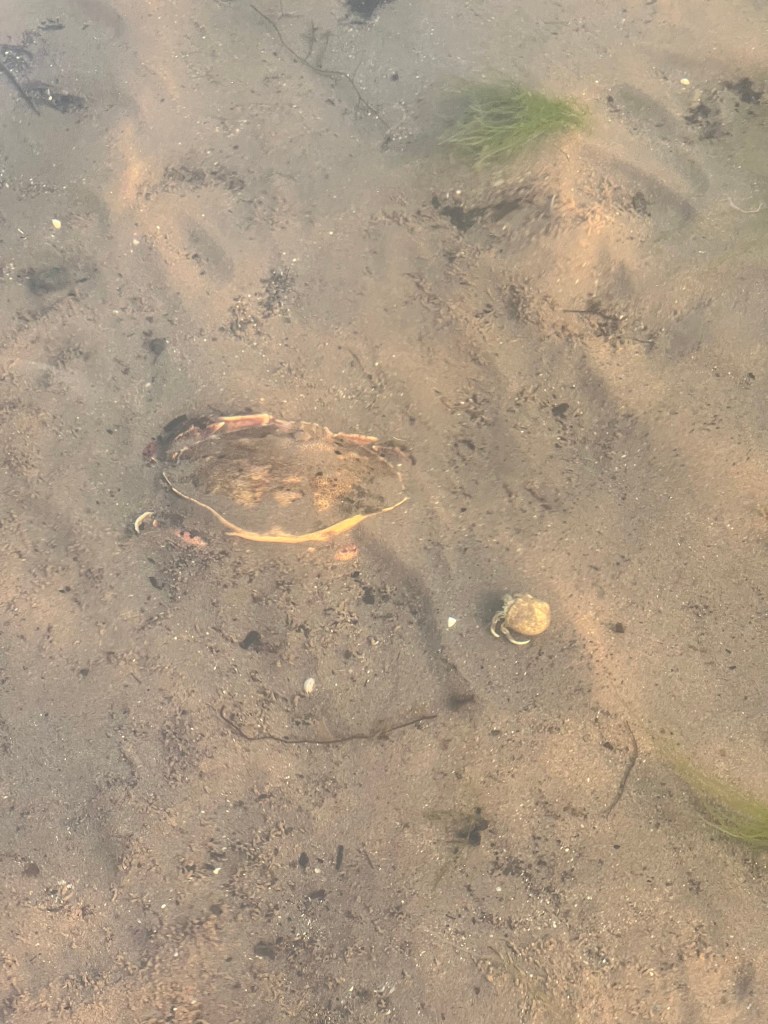
    Curiosity got the better of us, so we crept back in, carefully watching where we stepped. As the ripples cleared, the mystery revealed itself: Crabs. Dozens of little hermit crabs, scuttling over the sand. It must have been the warmth of the shallow water drawing them out. Then we spotted a few larger rock crabs ambling about with far too much confidence. One began making a not-so-slow, deliberate approach toward Chris’ foot.

    Now, I know what you’re probably thinking: 

    “Really? They’re tiny. What’s the big deal?” 

    Fair point. But knowing that doesn’t stop instinct. When that three-inch crab advanced like it had a personal vendetta against Chris’ toes, he let out another yelp and sprinted for dry land. I wasn’t far behind.

    By the time we made our way back to the campground, we were laughing hard, salty and barefoot, grateful for the kind of simple, silly moment that reminds us of how close to nature we really are. Our first unexpected adventure of this trip can be summarized by: Small crabs, big memories.

    Besides our two beach visits, we couldn’t forget Cameron’s parting words: “Don’t worry about supper.” We thought he was joking. Campground owners don’t usually double as personal chefs, right? But as we were settling in, getting our bearings at the site, a truck rolled up and stopped in front of the Bus. The window glided down and there was Cameron himself, grinning from ear to ear.

    With that unmistakable Nova Scotia lilt, he calls out: “Hope you’re hungry! See if you can figure out what makes this different —it’s our county’s special recipe.” And like some sort of culinary magician, he pulls out an oversized pizza box and hands it to us.

    Now, if there’s one thing you should know about us, it’s that pizza is our collective kryptonite. Actually, scratch that, anything with gluten is. So, this isn’t just supper being delivered to our campsite, it’s destiny. We thank him profusely, grab the box like a pack of overexcited kids, and hurry into the trailer to unwrap our prize.

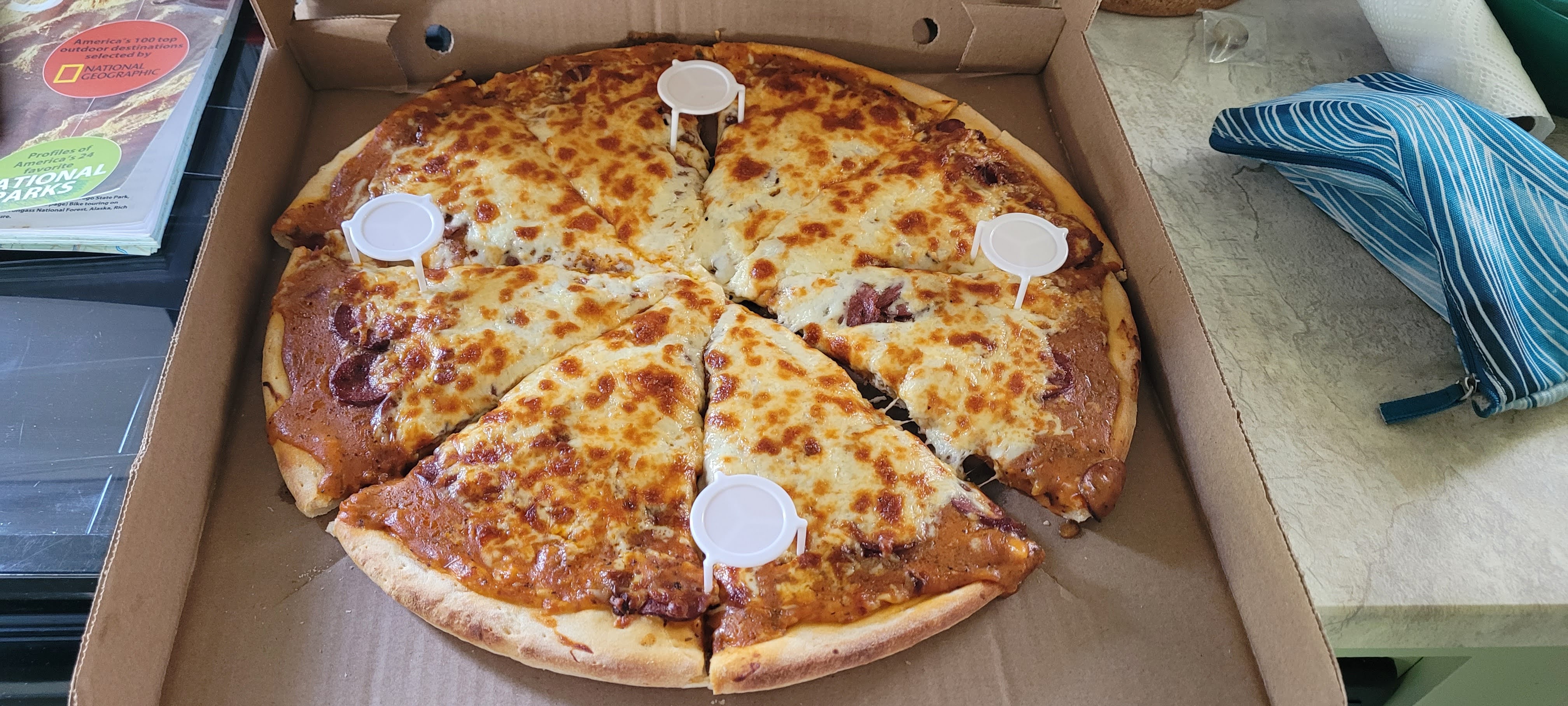
    And she is glorious. Extra large, cheesy, clearly pepperoni, with a crust that hits that perfect balance of not too thin, not too thick. Our first slices disappear at a speed that could set records. So much for savoring the “special ingredients.”

    Determined to do better on slice number two, we slow down. That’s when we notice something different. The pepperoni sausage is smoked, sure, but the sauce… it’s brown. Not red-brown, but honest-to-goodness brown.

    “Is this even tomato sauce?” I ask, baffled. Chris, replies mid-bite with the confidence of a man committed to finishing the slice regardless: “Tastes like tomato sauce.”

    Mystery or not, the pizza didn’t stand a chance. It was gone in under thirty minutes. Later, when we ran into Cameron, he asked if we’d figured out what made it different.

    “The sausage was smoky,” we said. “And is there something going on with the sauce?”

    With that same knowing smile, he replied, “Yep! The tomato sauce here always comes out brown.”

    Brown tomato sauce? That was a first. And as for why it’s that way—well, that part remains a mystery. But honestly, who cares? It was rich, smoky, and absolutely delicious. We’d happily demolish another Acropole Pizza any day of the week.

    Downtown Pictou Village: A Culinary Diary

    I don’t like to call myself a foodie. No shame to those who proudly wear that badge, but I prefer to think of myself as a subscriber of the “I’ll try anything once” philosophy. My former coworkers used to call me the seagull because I’d eat my lunch and then happily swoop in on whatever leftovers anyone offered. Fair.

    Food, to me, is how you get to know a place. It’s the quickest way to understand its rhythm. And here, in the Maritimes, where the ocean writes every menu, each meal feels like a celebration. We’d rolled into Pictou, a sun-swept harbor village that instantly felt like the kind of place where everyone waves, even if they don’t know you. Amazingly, every car stops whenever a pedestrian reaches the crosswalk. This charming little town absolutely delivered!

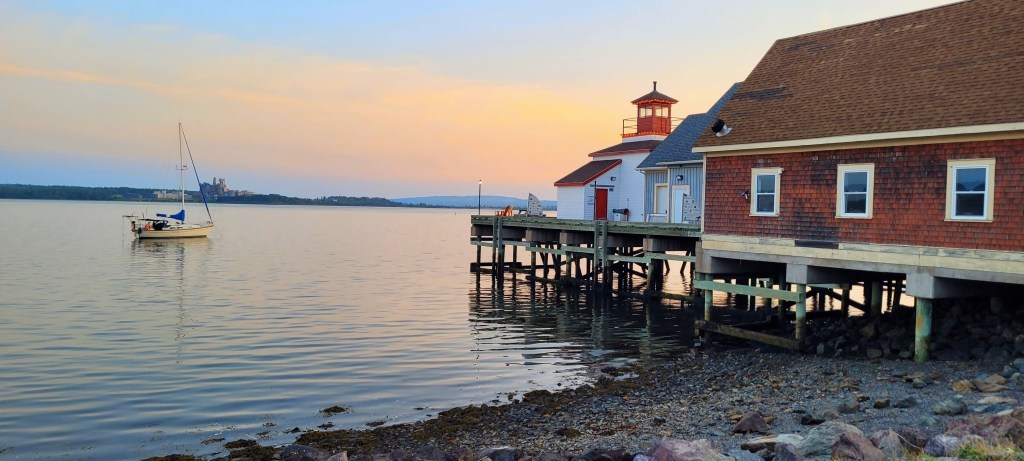
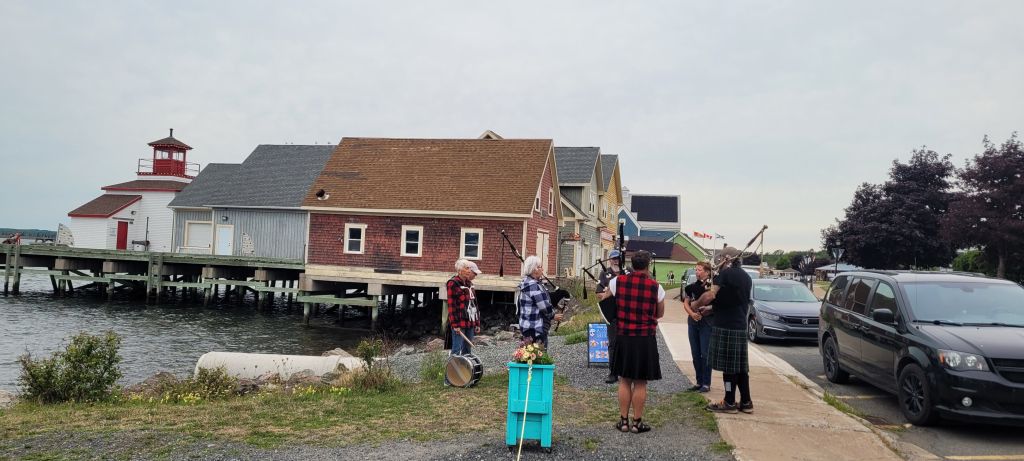
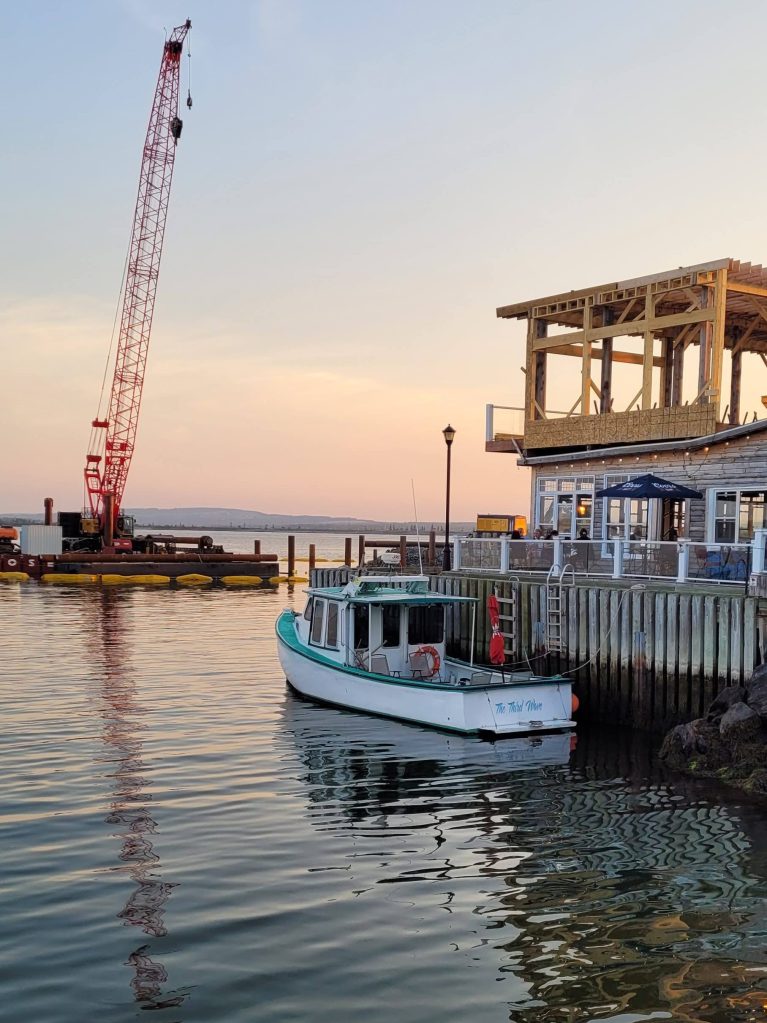
    Downtown Pictou has that effortlessly cozy, slightly nostalgic small-port vibe. It’s the kind of place where brightly painted storefronts line the main street, locals greet each other by name, and the smell of salt air mingles with fryer oil and the comforting aroma of something cooking just out of sight. The waterfront boardwalk has that wish you were here kind of charm—boats gently bobbing in the harbor, gulls swooping with perfect timing, and a light sea breeze that carries both the scent of the ocean and someone’s order of fish and chips. You can wander past boutiques shops, restaurants, and the Hector Heritage Quay, where a full-scale replica of the ship Hector nods to the town’s proud Scottish roots. There’s something sweetly unhurried about it all; even the breeze seems to take its time.

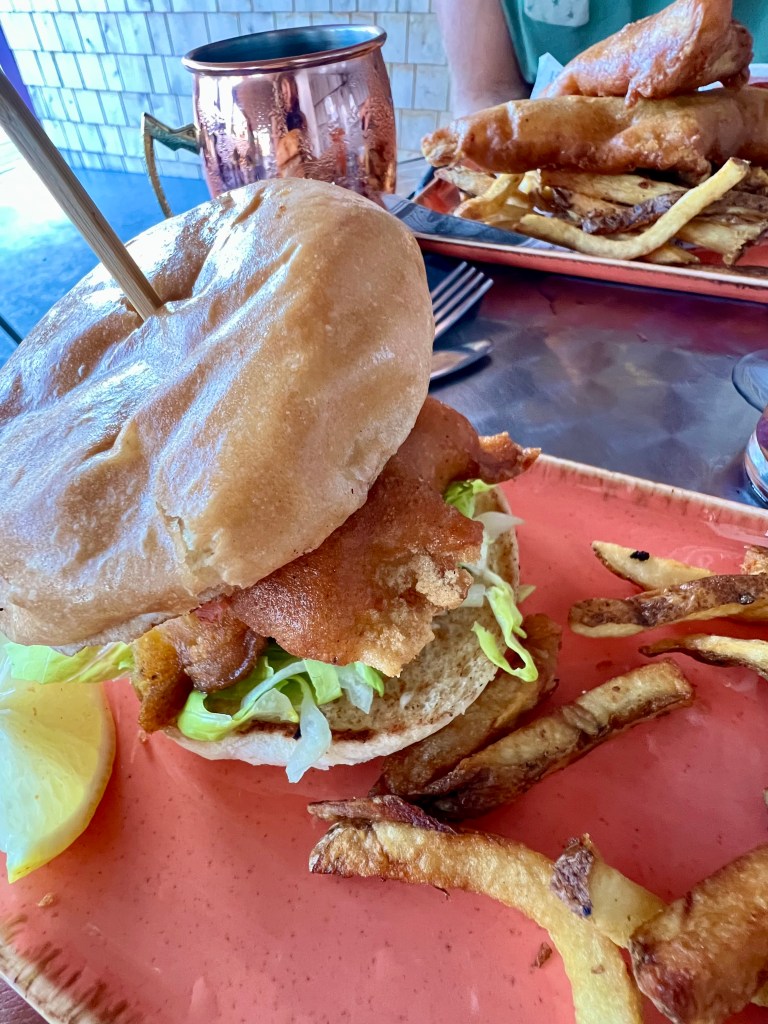
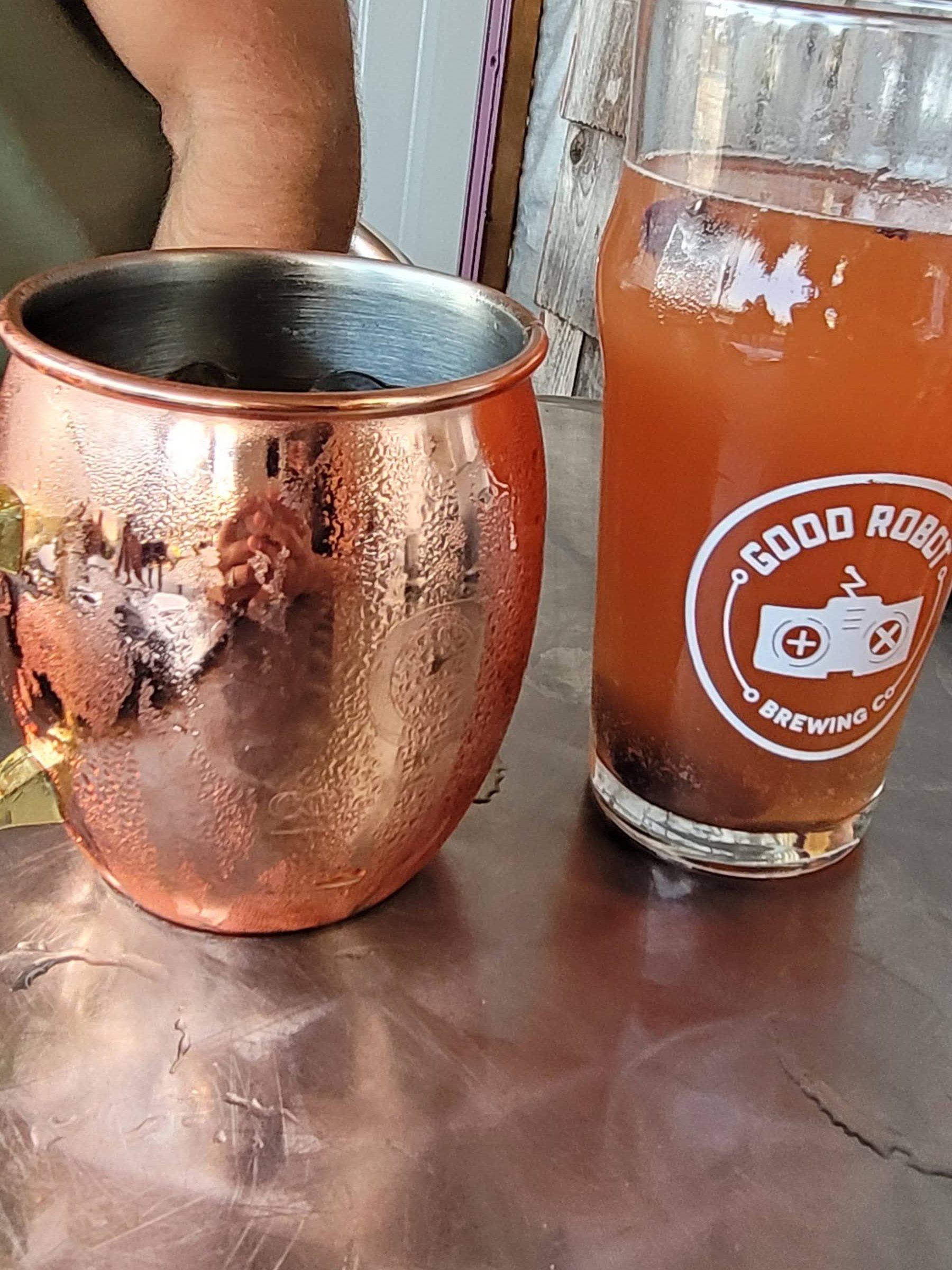
    On one of our evenings exploring Pictou, we found our way to The Nook and Cranny, tucked right by the water, and grabbed a spot on the patio. It was one of those summer evenings when the heat practically melts off the pavement. So, the first cold sip felt like a personal victory. Chris went for the classic fish and chips—perfectly crispy, golden perfection. I couldn’t resist the fried haddock burger, which was everything you want a coastal meal to be: flaky, tender, and unapologetically messy. Chris’ Moscow Mule was crisp, my cider refreshing, and with the heat, every gulp tasted better than the last.

    We sat there grinning like fools, staring at the harbor, feeling that rare and satisfying kind of contentment that comes when good food, good drink, and a good view collide. 

    On more than one occasion during our stay in Nova Scotia, we gave in to the sweet call of ice cream. Sandy’s Ice Cream Shop quickly became a favorite, with its cheerful chalkboard list of flavors. Cones in hand, we’d wander along the waterfront, the salty air mixing with the scent of waffle cones and ocean breeze. Sometimes, a local musician would be strumming folk songs by the water, his voice carrying softly over the lapping waves. It was the kind of simple, perfect moment that makes warm days feel endless.

    One evening, during one of our passeggiate (the Italian after-dinner stroll Chris and I have adopted as a ritual) we stumbled upon Logan’s Daily Catch, a small seafood market tucked near the marina. The sign promised fresh local fish, and I couldn’t resist. The next afternoon, I rushed back and picked out a beautiful piece of halibut.

    Cooking has always been a joy for me, something grounding and creative all at once. There’s a rhythm to it: chopping colorful vegetables, mixing herbs, feeling the warmth of the pan, and watching everything come together. Maybe my Italian heritage is revealed through my love of feeding others and making the table feel alive. I grew up watching my mom and grandmothers turn ordinary ingredients into feasts. Always from scratch, always with pride.

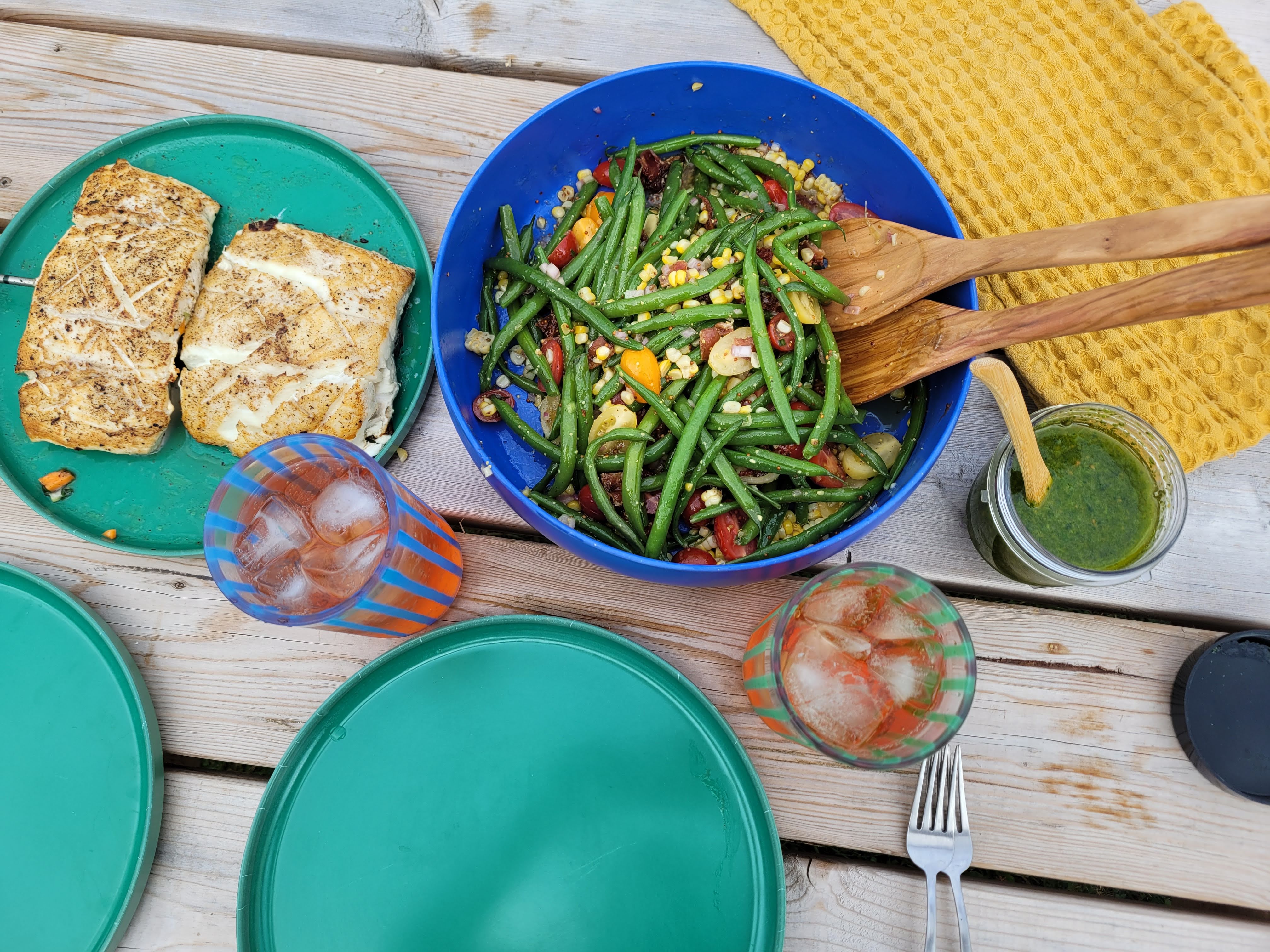
    That evening, our little picnic table outside the RV looked like a summer painting: bright vegetables, perfectly grilled halibut, and homemade Paloma cocktails glistening in the sun. We lingered through dinner, laughing and shooting at the occasional fly with our ever-trusted salt gun, the air still thick with heat of the day.

    Pictou may be small, but it packs a flavorful punch. From seaside ice cream to market-fresh fish, every bite feels like a discovery and we’re more than happy to play seagulls once again, savoring every last crumb and drop of summer.